
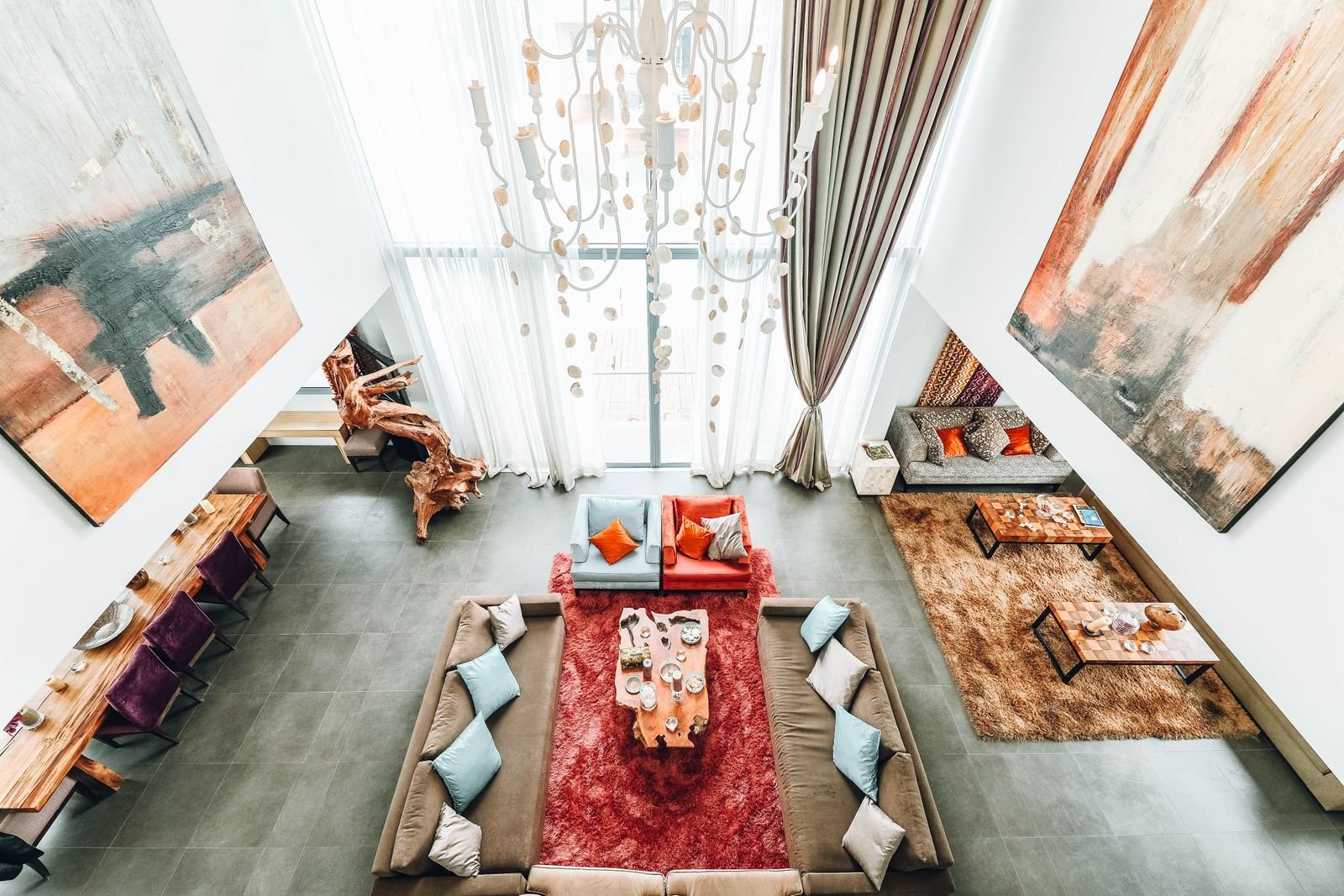
Furniture is more than decoration. It is where you eat breakfast, work from home, watch films with your family, and rest after a long day. Yet many people choose furniture the wrong way round: they fall in love with a sofa in a showroom, then try to fit their life around it. Lifestyle furniture turns that thinking upside down. It starts with how you actually live, and then finds the pieces that support it.
A home that works feels easy: comfortable chairs, tables at the right height, and space to move. This guide will help you choose lifestyle furniture that suits your routines, your space and your budget.
What Is Lifestyle Furniture?
Lifestyle furniture is furniture chosen around the way you live, not just the way a room looks. A family with small children needs different furniture from a couple who work from home, and a person in a small flat needs different pieces from someone in a large house.
The idea is simple: your furniture should make daily life easier. A dining table that doubles as a desk, a sofa bed for guests, or a storage ottoman that hides the clutter — practical, comfortable and stylish at the same time.
Comfort Comes First
Comfort is the foundation of good lifestyle furniture. A beautiful chair that hurts your back after twenty minutes is a bad buy, no matter how good it looks in a photo. Before you buy, sit on it. Check the seat depth, the arm height and the cushion firmness.
For sofas, think about how you use them. Deep seats suit lounging, while firmer, shallower seats are better for sitting upright. If you work from the sofa sometimes, choose one with good back support.
Multifunctional Pieces
Modern homes need furniture that does more than one job. A coffee table with storage keeps remotes, books and chargers out of sight. A bed with drawers underneath gives you extra space without a bigger wardrobe. A folding dining table seats two on a normal day and six when friends come over.
Multifunctional furniture is especially valuable in small homes. A bench at the end of the bed works as seating, storage and a place to lay out tomorrow’s clothes. When every piece earns its place, your home feels calmer.
Choosing the Right Materials
Materials decide how furniture looks, how long it lasts, and how much care it needs. Solid wood is strong and ages beautifully but costs more; engineered wood is lighter and cheaper, and works well for shelves and wardrobes.
Fabrics and Upholstery
The fabric you choose matters as much as the frame. Leather looks smart and wipes clean, but it can feel cold in winter and sticky in summer. Linen and cotton feel natural and breathable, but they stain more easily. Velvet adds warmth and luxury, while performance fabrics resist stains and are a smart choice for homes with children or pets.
In a busy household, look for removable, washable covers — a light-coloured sofa works fine if the covers go in the wash.
Wood, Metal and Glass
Wood brings warmth to a room. Light oak and ash suit Scandinavian and minimal styles, while dark walnut feels rich and traditional. Metal frames give an industrial or modern edge and are very strong. Glass tops make a room feel lighter and bigger, but they show fingerprints and need regular cleaning.
Mixing materials keeps a room interesting. A wooden dining table with metal legs, or a fabric sofa with wooden arms, adds texture without making the room feel busy.
Layout: Making the Room Work
Even the best furniture fails in a bad layout. Before you buy anything large, measure your room and sketch where each piece will go, leaving enough space to walk around comfortably.
Small Spaces
Small rooms need smart choices. Choose furniture with slim legs, which lets you see the floor underneath and makes the room feel bigger. A round dining table fits more people into a tight corner than a square one.
Mirrors and light colours also help: a large mirror opposite a window bounces light around the room.
Open-Plan Living
Open-plan rooms need furniture to define the zones. A sofa with its back to the dining area creates a natural boundary between living and eating spaces. A rug under the coffee table marks out the seating area, while a bookshelf can divide a room without blocking light.
Repeating a colour or material across the zones keeps the whole space feeling calm and connected.
Family-Friendly Furniture
A home with children or pets needs furniture that can take a knock. Rounded corners are safer for toddlers than sharp edges, and stain-resistant fabrics and wipe-clean surfaces save a lot of stress.
Storage is the other family essential. Toy boxes, baskets and ottomans with hidden compartments keep the living room tidy in minutes, and low shelves let children reach their own books and toys.
Modular furniture is a clever option for growing families: a sectional sofa can be rearranged as rooms change, and stackable chairs can be brought out when guests arrive.
Style Trends: Minimal, Scandinavian and Modern Rustic
Style matters, but it should follow function, not lead it. The most popular lifestyle furniture styles today all share one idea: calm, comfortable rooms with fewer, better pieces.
Minimal
Minimal furniture is clean, simple and uncluttered: low sofas, plain lines and neutral colours. The benefit is a room that feels peaceful and easy to keep tidy — add warmth with a soft rug or a textured throw so it never feels cold.
Scandinavian
Scandinavian style is light, practical and cosy: pale wood, white walls, soft textiles and simple shapes. It suits small homes well because it makes rooms feel bright and open — add a warm lamp or a soft throw to keep it homely.
Modern Rustic
Modern rustic mixes natural materials with clean, modern shapes: a reclaimed wood table, a linen sofa and black metal details create a warm, lived-in feel.
Buying Smart: Quality and Budget
Good furniture does not have to be expensive, but it does need to be well made. Check the frame — solid wood or strong plywood lasts far longer than thin chipboard — and test that joints feel solid and drawers open smoothly.
Where to Spend and Where to Save
Spend on the pieces you use every day: your bed, your sofa and your dining chairs. Save on decorative pieces like side tables, lamps and cushions, which are easy and cheap to change.
Second-hand furniture is also worth considering: a well-made wooden table or classic armchair often costs a fraction of its new price, and older pieces are usually better built than new budget furniture.
Measure Twice, Buy Once
The most common furniture mistake is buying the wrong size. Measure your room, doorways and staircase before ordering anything large, and use painter’s tape on the floor to mark out a large piece before you buy it.
Frequently Asked Questions
What is lifestyle furniture?
Lifestyle furniture is furniture chosen to fit how you actually live. It prioritises comfort, practicality and flexibility — multifunctional pieces, family-friendly materials and layouts that suit your daily routines — rather than choosing a look first and adapting your life to it.
How do I choose furniture for a small living room?
Choose slim, leggy pieces that let you see the floor, and pick multifunctional items like a storage ottoman or a folding table. Measure carefully, leave clear walkways, and use light colours and mirrors to make the room feel bigger.
What is the best furniture material for a family home?
Stain-resistant performance fabrics, leather and solid wood are the safest choices for a family home. Look for removable, washable covers, rounded corners on tables, and sturdy frames that can handle daily use.
How can I make my home look stylish on a budget?
Start with a simple, neutral base and add style through affordable pieces: cushions, throws, lamps and plants. Buy second-hand for solid wood furniture and change small accessories when you want a fresh look.
Conclusion
Lifestyle furniture is not a trend. It is a way of choosing pieces that make your home easier, more comfortable and more enjoyable to live in. Start with how you spend your days, pick materials that suit your household, and spend on the pieces that matter most. When furniture fits your life, your home feels right.
For more home and lifestyle guides, or if you have a question about this article, please contact us: https://88magazine.com/contact-us/