
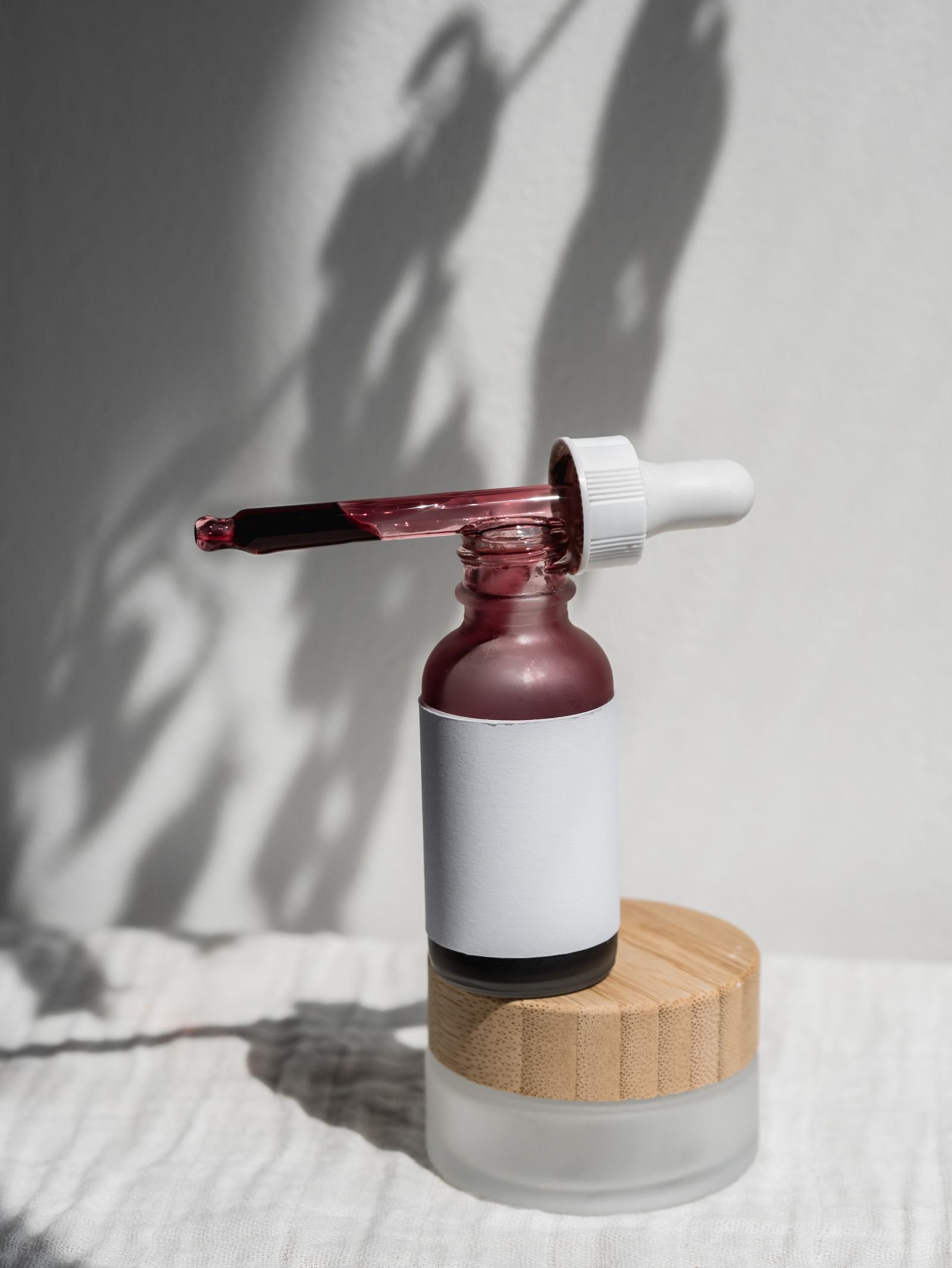
Dark spots, uneven tone and marks left behind by breakouts are among the most common skincare concerns, and also some of the hardest to shift. Vitamin C, niacinamide and sunscreen get most of the attention, but another group of ingredients is quietly earning a place in brightening routines: fermented skincare.
But how important is fermentation in a hyperpigmentation skincare routine, really? This guide explains what fermentation does to skincare ingredients, how fermented products help with dark spots, and how to add them to your routine.
What Is Fermented Skincare?
Fermented skincare uses ingredients broken down by beneficial microorganisms, such as yeast or bacteria, before they are added to a product. Think of the process behind yoghurt, kimchi or sourdough: tiny organisms feed on a raw ingredient and transform it into something new.
In skincare, fermentation usually starts with an ingredient like rice, soy, yeast or milk. Microorganisms such as lactobacillus, bifida or saccharomyces break it down over days or weeks into a liquid rich in amino acids, organic acids, peptides and antioxidants, which is then used in essences, serums, toners and moisturisers.
How Fermentation Changes Skincare Ingredients
Fermentation breaks large molecules into smaller ones that can sink into the skin more easily. That is one reason fermented essences feel so light yet leave skin feeling noticeably softer and more hydrated.
The process also creates compounds that did not exist in the original ingredient, including amino acids that support the skin barrier, organic acids that gently encourage cell turnover, and antioxidants that help protect skin from environmental stress. Fermented ingredients also tend to be gentler than many brightening actives, because fermentation softens harsh components.
How Fermented Ingredients Help Hyperpigmentation
Hyperpigmentation happens when the skin produces extra melanin in one area, creating a dark spot or patch. It can be triggered by sun exposure, acne, inflammation or hormonal changes. Fading it means slowing excess melanin production and encouraging the skin to shed pigmented cells.
Brightening and Evening Out Skin Tone
Galactomyces ferment filtrate is best known for brightening dull skin and improving overall tone. With regular use it can make dark spots appear less noticeable. Bifida ferment lysate works in a similar way, supporting the skin’s natural renewal.
Supporting the Skin Barrier
A healthy skin barrier is essential when treating hyperpigmentation. When the barrier is weak, the skin becomes inflamed more easily, and inflammation can trigger even more pigmentation. Fermented ingredients are rich in amino acids and lipids that help strengthen the barrier, keeping moisture in and irritants out.
Gentle Exfoliation and Hydration
Some fermented ingredients contain mild organic acids that gently encourage the skin to shed old, pigmented surface cells. Fermented essences are also excellent hydrators, and well-hydrated skin reflects light more evenly, which makes dark spots look less obvious.
Key Fermented Ingredients to Know
Galactomyces Ferment Filtrate
Galactomyces is a yeast ferment made famous by Korean essences. It is valued for brightening, smoothing texture and improving skin clarity, and it suits most skin types.
Bifida Ferment Lysate
Bifida ferment lysate comes from the fermentation of bifidobacterium, a type of probiotic bacteria. It supports the skin barrier, calms sensitivity and helps the skin repair itself.
Lactobacillus and Rice Ferments
Lactobacillus ferments are made using lactic acid bacteria, the same family of organisms used to make yoghurt. They help balance the skin’s surface, support hydration and gently encourage renewal. Fermented rice water and sake ferments, rich in amino acids and antioxidants, brighten, soften and hydrate.
How to Add Fermented Skincare to Your Routine
Fermented products usually come as essences, toners or light serums. Apply a fermented essence or serum after cleansing and toning, and before heavier creams. Essences are typically the first treatment step, patted gently into the skin with your hands. Use the product once or twice a day.
A simple routine for hyperpigmentation might look like this: a gentle cleanser, a fermented essence, a vitamin C or niacinamide serum, a moisturiser, and sunscreen in the morning. In the evening, use the fermented essence again, followed by your treatment serum and a moisturiser.
Fermented ingredients work gradually. Most people notice brighter, more hydrated skin within a few weeks, but visible fading of dark spots usually takes two to three months.
What to Pair Fermented Skincare With
Fermented ingredients work best as part of a team, supporting and strengthening other brightening ingredients rather than replacing them.
Vitamin C and Niacinamide
Vitamin C is one of the most effective brighteners available. It directly targets melanin production and protects the skin from the damage that causes new spots. A fermented essence underneath a vitamin C serum adds hydration and barrier support, while the vitamin C does the heavy brightening work. Niacinamide is another strong partner: it helps stop excess melanin from reaching the surface of the skin and calms redness.
Sunscreen
Sunscreen is the most important partner of all. Without it, every other brightening product is fighting a losing battle, because sun exposure keeps triggering new pigmentation. Apply a broad-spectrum sunscreen every morning as the last step of your routine, even on cloudy days. No brightening routine works properly without it.
What to Avoid and Who Should Be Careful
If you have sensitive skin, start slowly, using the product once a day or every other day. If you notice redness, itching or breakouts that do not settle within a few days, stop using it and give your skin a break.
Do not start a fermented essence, a strong vitamin C, a retinol and an acid exfoliant all in the same week. Too many active ingredients at once can overwhelm the skin, damage the barrier and trigger inflammation, which can worsen pigmentation. Introduce one new product at a time and wait at least a week before adding another.
Before using any new fermented product on your whole face, patch test it. Apply a small amount to a discreet area, such as behind your ear or along your jawline, and wait a day to see if any irritation appears.
Realistic Expectations
Fermented skincare is genuinely useful for hyperpigmentation, but it is a supporting player, not a miracle cure. Fermented ingredients brighten gradually, strengthen the barrier and help other brightening products work better, but they are unlikely to erase a deep, long-standing dark spot on their own.
Frequently Asked Questions
Does fermented skincare really help with hyperpigmentation?
Yes, it can help, but gradually. Fermented ingredients like galactomyces and bifida ferment lysate brighten the skin, support the barrier and encourage gentle renewal, which helps dark spots fade over time. They work best alongside vitamin C, niacinamide and daily sunscreen, rather than on their own.
How long does it take to see results from fermented skincare?
Most people notice brighter, more hydrated skin within a few weeks, but visible fading of dark spots usually takes two to three months of consistent use. Hyperpigmentation fades slowly because the skin needs time to renew itself.
Can I use fermented skincare with vitamin C and retinol?
Fermented essences pair well with vitamin C and niacinamide, and they can be used in the same routine as retinol if your skin tolerates it. Introduce one product at a time and avoid starting several strong actives in the same week, since that can irritate the skin and make pigmentation worse.
Is fermented skincare safe for sensitive skin?
Fermented ingredients are usually gentle and well tolerated, and bifida ferment lysate in particular is known for calming sensitive skin. Still, patch test any new product behind your ear or along your jawline first, and stop if redness or itching does not settle within a few days.
Conclusion
So, how important is fermentation in a hyperpigmentation skincare routine? It is not essential in the way sunscreen is essential, but it is far more than a trend. Fermented ingredients like galactomyces, bifida ferment lysate and lactobacillus ferments brighten the skin, support the barrier, hydrate deeply and help other brightening products work better.
If you are building a routine for dark spots, a fermented essence or serum is a smart addition. Pair it with vitamin C or niacinamide, protect your progress with daily sunscreen, patch test first, and give it time. With consistent use over several months, fermented skincare can make a visible difference to uneven tone.
For more beauty guides and skincare tips, or if you have a question about this article, please contact us: https://88magazine.com/contact-us/