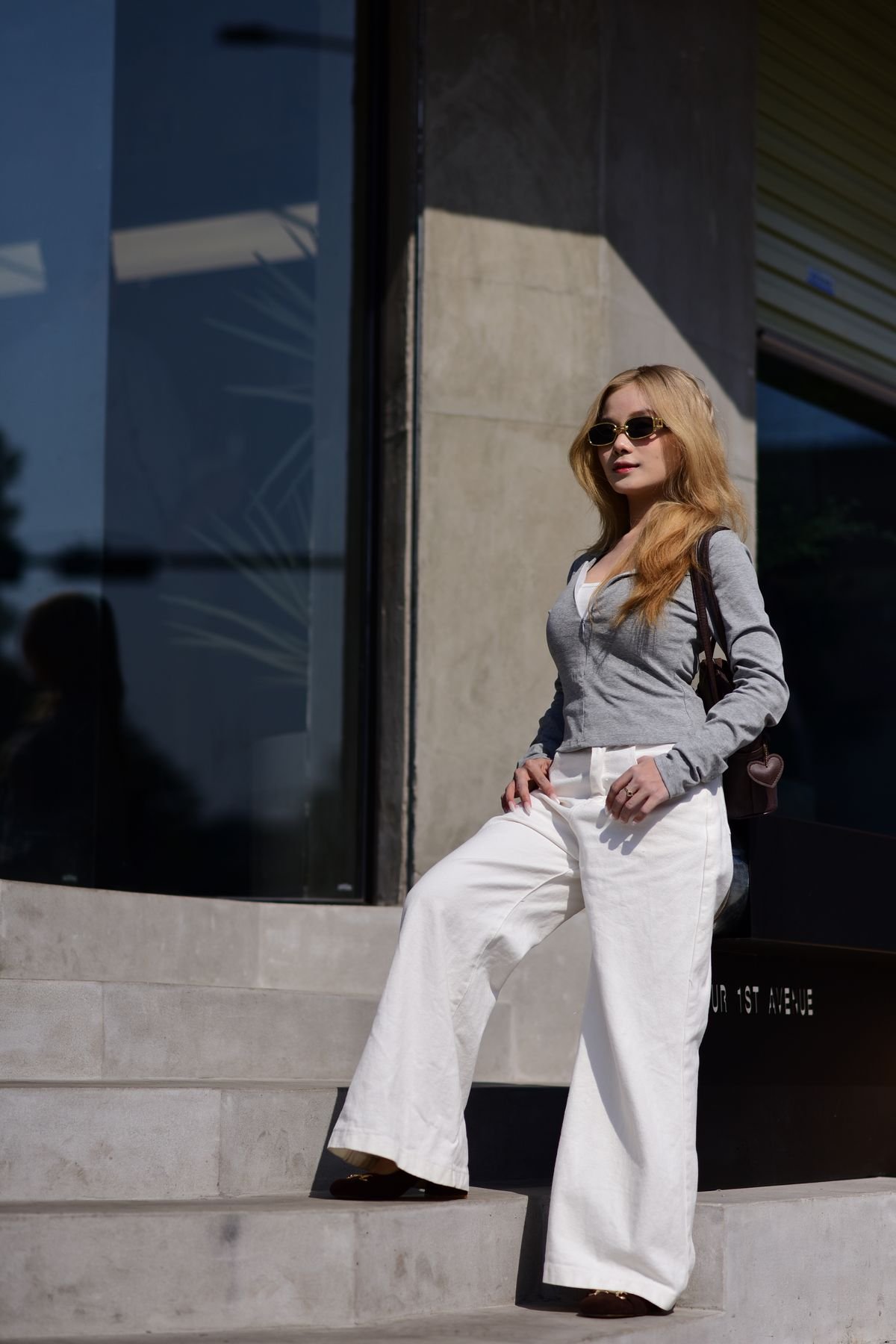

Winter fashion wear is about looking good while staying genuinely warm. Cold weather gives you more to work with than any other season — coats, knitwear, scarves and boots — and a well-planned outfit can feel polished without much effort. The trick is choosing a few versatile pieces and combining them into complete outfits.
This guide covers winter fashion wear: essential pieces, outfits for work, casual days and evenings, colours, fabrics, layering, accessories, mistakes and building a winter wardrobe on a budget.
What Winter Fashion Wear Really Means
Winter fashion wear means clothes designed for cold weather that still look intentional. A warm outfit is a balanced mix of a base layer, a warm middle layer and a protective outer layer, finished with the right shoes and accessories.
The Essential Pieces of Winter Fashion Wear
A strong winter wardrobe starts with a small set of reliable pieces. Get these right and almost any outfit comes together easily.
Coats and Outerwear
Your coat is the most visible part of winter fashion wear, so it deserves the most thought. A classic wool coat in navy, charcoal or camel works for almost everything: smart over work clothes, and just as good over jeans at the weekend. A padded jacket or parka suits cold, wet weather, and it should button comfortably over a sweater.
Knitwear
Knitwear does most of the warming work in winter. A fine-knit crew neck in navy, grey or cream layers neatly under a coat, while a chunky cable-knit or roll-neck sweater makes a statement on its own. Keep two or three sweaters in neutral colours and one in a richer shade, such as burgundy or forest green.
Layers, Trousers and Boots
A thermal top adds warmth without bulk on the coldest days. Dark jeans, tailored trousers and chinos in charcoal, navy or dark brown form the base of most winter outfits. Boots complete the look: leather Chelsea boots suit smarter outfits, lace-up boots work with jeans, and insulated boots are worth having for snow. Treat leather with waterproofing spray.
Winter Fashion Wear Outfits for Every Occasion
Having a ready outfit for each part of your life makes cold mornings much easier. Build yours around the pieces above and adjust the layers to the weather.
Winter Outfits for Work
For the office, start with a well-fitting shirt in white or light blue, a fine-knit sweater in a dark colour and a wool coat. Tailored trousers in charcoal or navy, leather shoes or smart boots, a belt and a simple watch complete the look. In a relaxed workplace, smart dark jeans with a shirt and a blazer can look professional without feeling formal.
Casual Winter Outfits for Weekends
Dark jeans or chinos with a plain or striped crew-neck sweater make a solid casual base. Add a denim jacket under a heavier coat, or a padded jacket, and finish with leather boots or clean trainers in a dark, water-resistant colour. For a weekend walk, layer a flannel shirt over a T-shirt with a chunky knit sweater and boots; a beanie and gloves complete the look.
Evening Outfits for Nights Out
Evenings call for something more polished. A dark shirt — black, deep burgundy or navy — with dark trousers or black jeans, a smart blazer or tailored coat, and leather boots or polished shoes works for dinner, a party or a night out. A roll-neck sweater under a blazer is a classic choice, and a scarf in a rich colour adds warmth and personality.
Winter Colours That Work
Winter suits deeper, richer colours. Navy, charcoal and black are reliable bases for coats, trousers and shoes; add warmth with burgundy, forest green, camel, rust or dark brown. Build an outfit around two or three colours at most — a navy coat, a grey sweater and dark jeans, with a burgundy scarf, is a good example. Camel looks excellent with navy, and grey pairs with almost anything.
Fabrics That Keep You Warm
Fabric choice decides whether winter fashion wear actually keeps you warm. Wool is the classic winter fabric: it insulates well, breathes and looks smart in coats, sweaters and scarves. Cashmere is softer and lighter, ideal for sweaters worn close to the skin. Cotton works for shirts, though it holds less warmth alone, while leather and waxed cotton protect against wind and rain.
Layering Tips for Warmth Without Bulk
Layering is the foundation of good winter fashion wear. Start with a thin, close-fitting base layer that keeps heat in — a thermal top or a fine merino sweater beats a thick, loose jumper. The middle layer adds insulation: a knit sweater, a fleece or a quilted gilet. The outer layer protects against wind and rain. Each layer should be slightly looser than the one beneath it, so everything sits neatly.
Build the outfit so it still looks good without the coat. Avoid two thick knits together; one warm mid-layer plus a good coat is usually enough, and a scarf can add extra warmth.
Accessories That Finish a Winter Outfit
Accessories are the easiest way to add colour, texture and warmth to winter fashion wear. A good scarf is the most useful of all — wrap it once around your neck, or loop it for extra warmth on the coldest days. A knitted beanie suits casual outfits, while a flat cap suits smarter looks. Leather gloves look smart and last for years.
Common Winter Fashion Mistakes to Avoid
The most common mistake is a coat too short or too tight for the layers underneath — if you cannot button it over a sweater, it does not fit. Another is wearing summer shoes in winter: light trainers and loafers look out of place and leave your feet cold and wet. Too many colours or patterns at once is another trap; keep a calm palette with one accent at most.
Skip novelty jumpers and oversized logos, which date quickly. Do not neglect the basics either: a wrinkled shirt, scuffed shoes or a dirty coat can undo an otherwise excellent outfit.
Building a Winter Wardrobe on a Budget
You do not need a huge wardrobe, or a large budget, to dress well in winter. Start with a good coat, dark jeans, a pair of chinos, three or four sweaters in neutral colours, a few shirts, leather boots and a smart pair of shoes. Add a scarf, a beanie and gloves, and you have the foundation for dozens of outfits.
Spend the most where it counts: your coat and boots take the most wear, so buy the best quality you can afford there and save on basics such as T-shirts and thermal tops. Shop end-of-season sales for next winter.
Frequently Asked Questions
What is winter fashion wear?
Winter fashion wear is clothing chosen for cold weather that combines warmth with style — coats, knitwear, layers, boots and accessories put together as complete outfits. The aim is to stay warm with well-fitting layers.
How should I layer clothes in winter without looking bulky?
Use thin, close-fitting layers: a fine base layer, a slim knit sweater in the middle and a coat on top. Make each layer slightly looser than the one underneath, and add a scarf for extra warmth.
Which colours are best for winter fashion wear?
Deep, rich colours suit winter best — navy, charcoal, black, burgundy, forest green, camel and dark brown. Build outfits around two or three of these, with one warmer accent.
What shoes should I wear in winter?
Leather boots are the best all-round choice — Chelsea boots for smarter outfits and lace-up boots for casual days. For snow, choose insulated boots with a good grip, and treat leather with waterproofing spray.
Conclusion
Good winter fashion wear is not about following every new trend — it is about building complete outfits that keep you warm and look good. A well-fitting coat, a few good sweaters, dark trousers, leather boots and a scarf cover work, casual days and evenings out.
For more winter fashion guides and cold-weather style ideas, or if you have a question about this article, please contact us.