
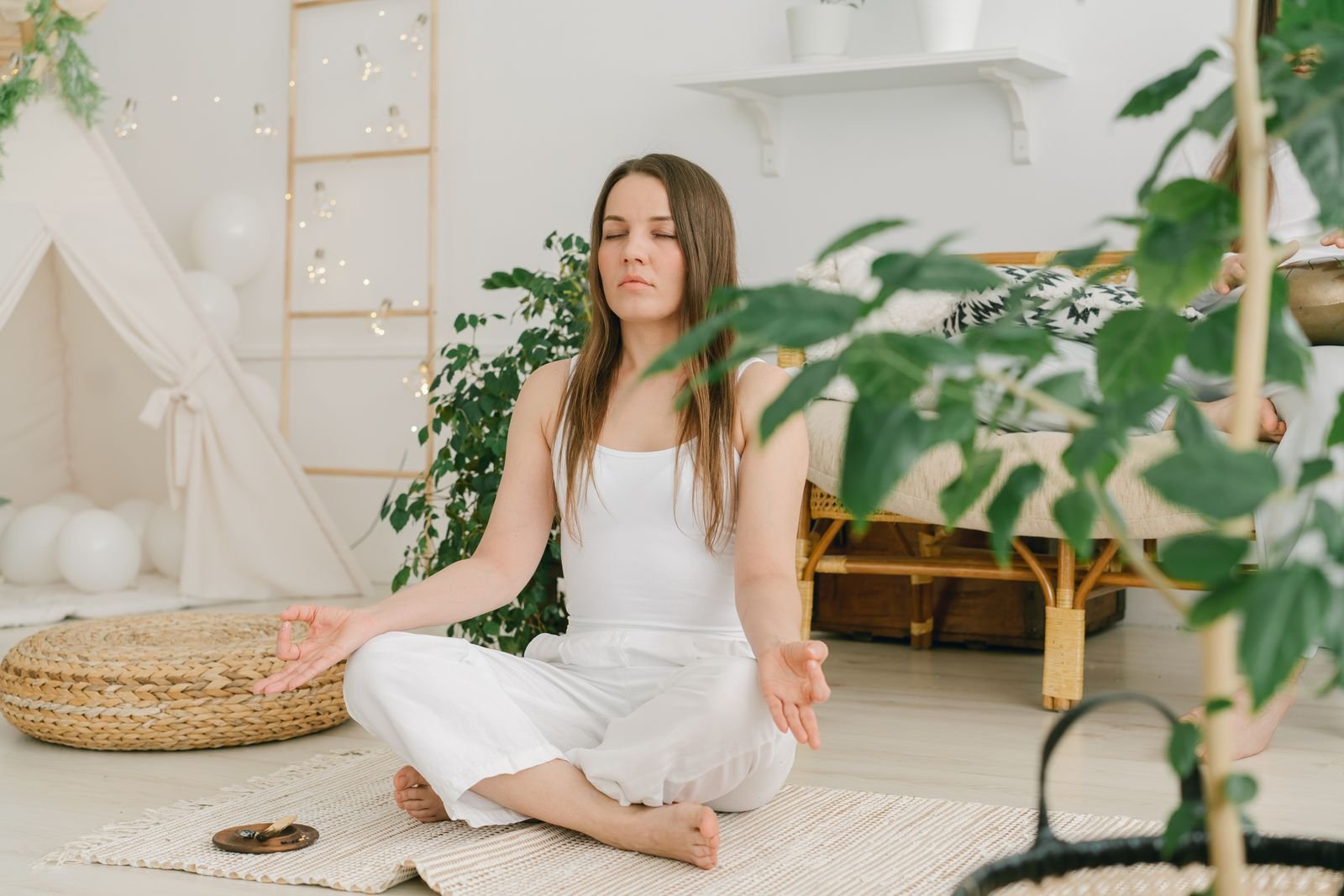
You have probably heard the word mindfulness everywhere — in wellness articles, in apps, in conversations about stress. It sounds calm and appealing, but also a little vague. Is it meditation? Do you need to sit cross-legged for an hour a day?
The short answer is no. Mindfulness is much simpler than it sounds — you can start today, in the middle of your normal life, without buying anything.
What Does Mindfulness Actually Mean?
Mindfulness means paying attention to the present moment, on purpose, without judging it. Each part of that sentence matters.
Paying attention means noticing what is happening right now: the taste of your coffee, the sound of rain, the feeling of your feet on the floor. Most of the time our minds are somewhere else — eating lunch while thinking about an email, walking while replaying a conversation, sitting with friends while worrying about tomorrow. Our bodies are in one place and our minds are in another.
On purpose means you choose where your attention goes, instead of letting it be pulled around by every notification or worry. Without judging means you notice what is happening without immediately labelling it good or bad. If your mind wanders, you do not scold yourself — you simply notice, and gently bring your attention back. That gentle return is the practice.
Is Mindfulness the Same as Meditation?
Mindfulness and meditation are closely related, but they are not the same thing. Meditation is one way to practise mindfulness, usually by sitting quietly and focusing on your breath or on the sensations in your body. Mindfulness is the wider skill: the ability to be present, which you can use anywhere.
You can be mindful while washing the dishes, walking to work, or eating a meal. You do not need a quiet room, a cushion or a special app. Meditation is training for your attention, but the point is to use it in real life — in traffic, in meetings, in difficult conversations. If sitting still for twenty minutes sounds impossible, start with one mindful minute while you wait for the kettle to boil. That counts.
Why Do People Practise Mindfulness?
People come to mindfulness for different reasons: to feel less stressed, sleep better, focus more at work, or simply enjoy their days more instead of rushing through them.
The most widely reported benefit is a calmer response to stress. Stress does not disappear, but mindfulness creates a small pause between an event and your reaction — a chance to reply to a sharp email later, or take a breath before answering a difficult question.
Many people also find it helps them focus. Our attention is constantly divided — by phones, by open tabs, by doing three things at once. Practising single focus, even briefly, makes it easier to stay with one task at a time, and helps you notice the good moments that usually pass unnoticed: a good meal, a funny message, a few minutes of sunshine.
Be honest with yourself: mindfulness is a helpful habit, not a cure for serious health problems — anyone struggling with anxiety or low mood should speak to a healthcare professional.
How to Practise Mindfulness in Everyday Life
You do not need a special hour. The easiest way to begin is to attach mindfulness to things you already do every day.
Start With Your Breathing
Your breath is always with you, which makes it the simplest anchor. Sit comfortably and notice your breathing, without trying to change it — the air coming in and out, the rise and fall of your chest. When your mind wanders, as it will within seconds, notice it without frustration and return to the breath.
Eat One Meal Mindfully
Most meals are eaten quickly, in front of a screen, barely tasted. Once a day, eat the first few bites slowly, phone away, and notice the colours, smell and flavour of each bite. You may enjoy the food more, and notice sooner when you are full.
Walk and Listen Mindfully
Walking is another everyday chance to practise: instead of looking at your phone, notice your feet on the ground, the rhythm of your steps, and the sounds around you. Mindful listening can change a conversation too — listen without planning your reply, and people can tell they are truly heard.
Do One Thing at a Time
Do one task without switching: one email, one page, one chore. When the urge to check your phone appears, notice it and let it pass.
If you spend much of your day sitting, mindfulness pairs well with moving more. Our guide on what a sedentary lifestyle is and how to move more explains why breaking up long sitting sessions matters — and short mindful walks do both at once.
A Simple Five-Minute Mindfulness Practice
If you would like a small daily practice, try this five-minute routine: sit comfortably and notice your breathing, without changing it. Scan your body slowly from head to feet, noticing tension or warmth without trying to fix it. Notice sounds as they come and go, then let thoughts pass like clouds. Finally, open your eyes slowly and take one slow breath. Some days it will feel peaceful, other days your mind will race. Both are normal — the practice is about noticing, and returning.
Common Mistakes to Avoid
The most common mistake is expecting instant calm. Mindfulness is a skill, and like any skill it takes time — the first few attempts may feel awkward or boring, but that does not mean you are doing it wrong.
Another mistake is trying too hard. If you force yourself to focus or fight your thoughts, you will only get more tense. The aim is gentle attention, not iron control — when your mind wanders, noticing that is the moment of mindfulness itself.
A third mistake is making it too complicated. You do not need special clothes, a subscription, or a perfect quiet room. A few mindful minutes in an ordinary day beat a perfect session you never get around to. Start small: a minute a day for a week, then two or three. For more ideas on habits that actually stick, see our healthy lifestyle secrets and daily habits that can transform your mind, body and life in 30 days.
Finally, do not use mindfulness to ignore real problems. It can help you handle stress, but it does not replace rest, good sleep, honest conversations or professional help. It works best as one part of a balanced life, alongside the basics in our guide to healthy lifestyle proven tips for a happier, fitter and better you.
Frequently Asked Questions
How long does it take to feel the benefits of mindfulness?
It varies. Some notice a small change within a week or two of short daily practice. For most, the benefits build gradually over weeks and months.
Do I need to meditate to be mindful?
No. Meditation is one helpful way to practise, but mindfulness fits everyday activities: walking, eating, listening, working. If sitting meditation does not suit you, try mindful walking instead.
What should I do when my mind keeps wandering?
Expect it to wander — that is what minds do. When you notice it, acknowledge it without judging yourself, and gently return to your breath. Each return is the practice working, not a sign of failure.
Can mindfulness help with stress and sleep?
Many people find a short mindful pause helps them feel calmer, and a calm mind makes it easier to fall asleep. Slow breathing before bed can help you wind down. Mindfulness is general wellness information, not medical treatment, so if stress or poor sleep persists, speak to a healthcare professional.
Conclusion
Mindfulness is not a mystery or a talent reserved for calm people. It is the simple skill of paying attention to the present moment, on purpose, without judgement — and anyone can practise it anywhere, in a single minute.
Start small: notice your breath while the kettle boils, taste the first bite of your lunch, listen fully to one person today, walk without your phone for five minutes. Those small moments add up, and over time they can change how your days feel.
Have a question about mindfulness, or a lifestyle topic you would like us to cover? Contact us — we would love to hear from you.