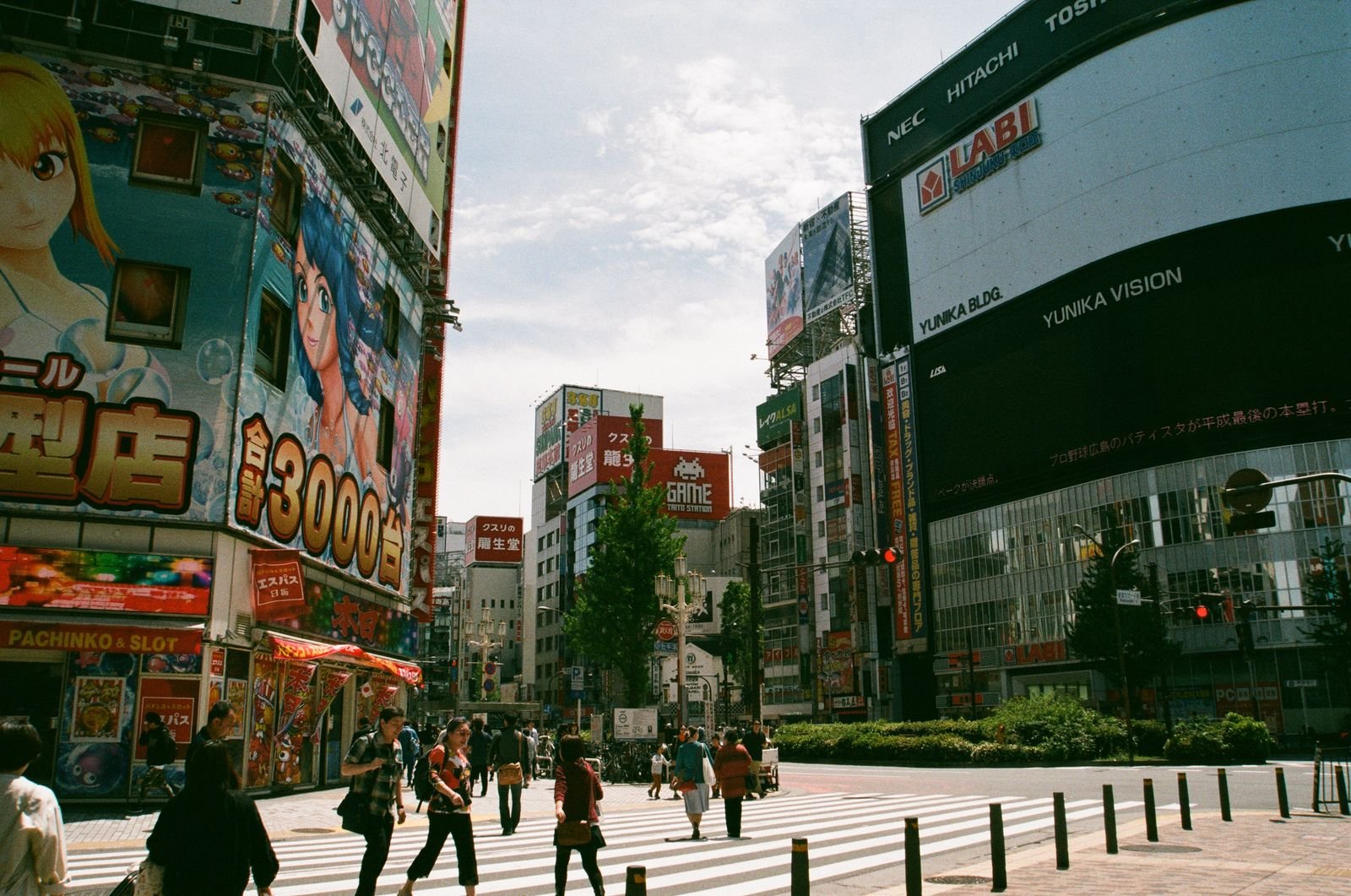
Tokyo is the largest city in the world, yet daily life there feels surprisingly calm and orderly. Millions of people move through its streets, stations and neighbourhoods every day, and somehow it all works. The Tokyo Japanese lifestyle is a mix of old and new: ancient shrines sit beside glass towers, office workers eat noodles standing up, and quiet tea houses hide down side streets full of neon signs.
It is about small daily habits, respect for shared space, and finding beauty in ordinary moments. This guide looks at what the Tokyo Japanese lifestyle really looks like, from morning routines to evenings at home.
Mornings in Tokyo
Mornings in Tokyo start early and move fast. Most people are up before seven, and the first trains are already full by eight. Yet the rush has a rhythm to it. Nobody pushes, nobody shouts, and everyone seems to know exactly where to stand on the platform.
The Morning Routine
A typical Tokyo morning begins with a simple breakfast. Rice, miso soup, grilled fish and pickles are still common in many homes, though toast, eggs and coffee have become just as normal, especially for younger people. Many people eat quickly and quietly, then head for the station with a bento box or a rice ball bought from a convenience store.
Convenience stores, known as konbini, are a huge part of Tokyo life. They sell fresh food, drinks, magazines and daily essentials around the clock, and their quality is far higher than most visitors expect. A konbini breakfast of onigiri, a boiled egg and green tea costs very little and takes two minutes to buy.
The Commute
The commute is a defining part of the Tokyo Japanese lifestyle. Trains are clean, quiet and almost always on time, and the unwritten rules are clear. People stand in lines on the platform, let others off first, and keep their phones on silent. Talking on the phone inside a train is considered rude, so most commuters read, listen to music or simply rest.
Work Culture and Daily Rhythm
Work shapes much of daily life in Tokyo. Offices in districts like Shinjuku, Marunouchi and Shibuya fill with workers in smart, simple clothes, and the working day is famously long. Yet change is happening. More companies now allow flexible hours and remote work, and younger workers are asking for a better balance between work and personal life.
Lunch and the Working Day
Lunch in Tokyo is quick, affordable and delicious. Office workers choose from ramen shops, curry houses, sushi counters and bento stalls, and a good meal often costs less than a coffee in other major cities. Many people eat alone, quietly and efficiently, then return to work. Eating well matters, but lingering over lunch is not part of the culture.
After work, many colleagues go out together for drinks and food in small izakaya bars. These evenings, called nomikai, are an important part of workplace life. They are relaxed and social, and they help build the relationships that keep teams working smoothly.
Evenings at Home
Evenings in Tokyo are usually quiet. People return home, change into comfortable clothes, and eat dinner with family or alone. Home meals are built around rice, soup, a main dish and small side dishes, and many homes have a deep soaking tub, one of the great small pleasures of Japanese life.
Food and Eating in Tokyo
Food is central to the Tokyo Japanese lifestyle. The city has more restaurants than almost anywhere else on earth, from tiny six-seat counters to world-famous dining rooms. But everyday eating is simple and seasonal.
Everyday Japanese Food
Home cooking follows the seasons. Spring brings bamboo shoots and fresh fish, summer brings cold noodles and chilled tofu, autumn brings mushrooms and sweet potatoes, and winter brings hot pots shared at the table. Eating seasonally is not a trend in Japan. It is simply how food has always worked.
Tokyo also loves its neighbourhood food spots. Every area has a favourite ramen shop, a bakery, a tofu maker and a market stall. People become regulars, and the owners remember what they like. This local loyalty is a quiet part of daily life that visitors often miss.
Fashion, Style and Self-Care
Tokyo is one of the great fashion cities of the world, and style is part of daily life. In Harajuku, young people wear bold street fashion. In Ginza, the look is elegant and understated. In office districts, it is clean, simple and smart. What they share is care. Clothes are chosen thoughtfully, kept clean, and worn with intention.
Skincare and Grooming
Japanese skincare is famous for good reason. The routine is gentle and consistent: cleansing, softening the skin with lotion, and protecting it from the sun. Sunscreen is worn daily, even in winter, and the focus is on healthy skin rather than heavy makeup.
Fitness and Movement
Walking is built into Tokyo life. People walk to the station, up and down stairs, and through neighbourhoods to run errands. Many also practise yoga, go to the gym, or enjoy weekend hikes in the hills around the city. Staying active is not treated as a separate chore. It is part of moving through the day. If you sit for long hours at a desk, our guide on what a sedentary lifestyle is explains why daily movement matters so much.
Neighbourhoods and Community Life
Tokyo is not one city. It is a collection of neighbourhoods, each with its own character. Shibuya is loud and young. Shimokitazawa is relaxed and creative. Yanaka feels like old Tokyo, with wooden houses and quiet temples. Kichijoji is loved for its park and cafes. People identify strongly with their neighbourhood, and daily life revolves around it.
Seasons and the Japanese Year
The seasons shape the Tokyo Japanese lifestyle more than almost anything else. Spring means cherry blossoms and picnics in the park. Summer means festivals, fireworks and cold beer gardens. Autumn brings red maple leaves and comfortable weather. Winter brings illuminations, hot food and the New Year holiday, when families gather and shrines fill with visitors.
This seasonal awareness shows up everywhere, from food and fashion to home decoration. Living with the seasons is one of the most appealing parts of the Tokyo way of life, and simple healthy lifestyle habits like eating seasonally are a good place to start.
What We Can Learn from Tokyo Life
The Tokyo Japanese lifestyle is not about doing more. It is about doing things with care: clean shared spaces, quiet trains, good food, seasonal living and respect for others. You do not need to live in Tokyo to borrow from it. Keep your space tidy, eat seasonally, walk more, be on time, and treat shared spaces with respect. If you travel there, pack light — our travel capsule wardrobe guide will help you choose what to bring.
Frequently Asked Questions
What is the Tokyo Japanese lifestyle like?
The Tokyo Japanese lifestyle is a mix of modern city living and traditional habits. It includes early mornings, quiet train commutes, seasonal food, respect for shared spaces, and small daily rituals like tea, bathing and walking. Life is busy but orderly, and politeness shapes how people behave in public.
What do people in Tokyo eat every day?
Everyday Tokyo food is simple and seasonal: rice, miso soup, grilled fish, vegetables and pickles at home, plus ramen, curry, sushi and bento boxes when eating out. Convenience stores also play a big role, selling fresh, affordable meals around the clock.
Is Tokyo expensive to live in?
Tokyo can be expensive for rent, but daily life is often more affordable than people expect. Food, transport and entertainment are reasonably priced, and excellent meals, parks and cultural activities are available at every budget. Many residents live well by cooking at home and using the efficient train system.
How do people in Tokyo spend their free time?
Free time in Tokyo is spent walking in parks, visiting cafes, shopping in neighbourhood streets, enjoying festivals, and meeting friends for food and drinks. Many people also enjoy reading, photography, hiking outside the city, and quiet time at home. Our lifestyle photography guide is a good starting point if Tokyo inspires you to take more photos.
Conclusion
The Tokyo Japanese lifestyle is about balance: a fast, modern city softened by quiet manners, seasonal food, neighbourhood life and small daily rituals. It shows that a huge city can still feel human when people look after shared spaces and take care over the small things. Slow down, notice the seasons, eat well, keep things tidy, and treat the people around you with respect. That is the heart of life in Tokyo, and it works anywhere.
For more lifestyle guides and travel ideas, or if you have a question about this article, please contact us.