
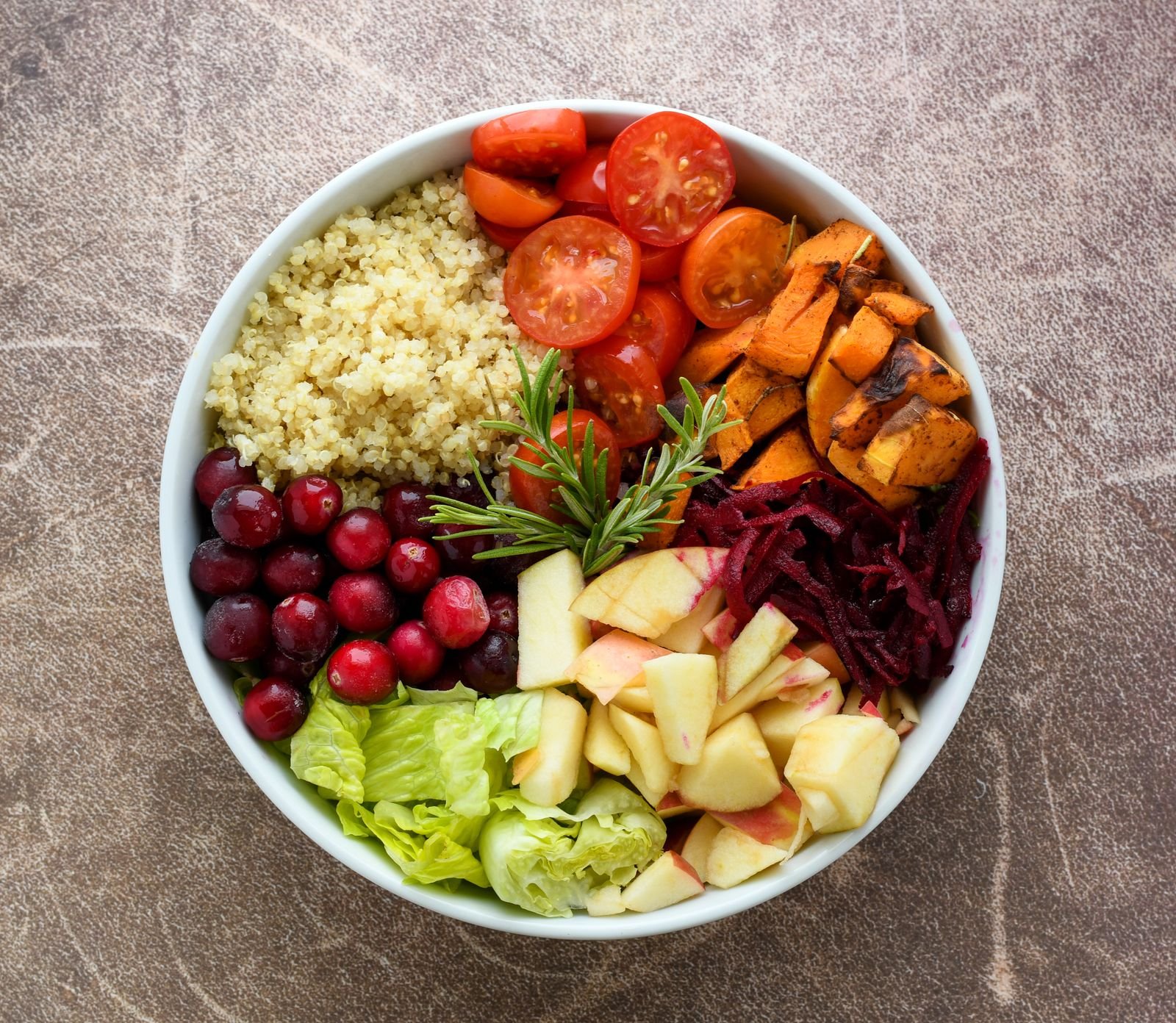
Lifestyle nutrition is a simple idea: instead of following a strict diet for a few weeks and then giving up, you build everyday eating habits that fit your real life — your schedule, your budget and your tastes. It is not about perfection or cutting out everything you enjoy, but about making good choices most of the time, so healthy eating becomes natural.
This guide covers how it works in practice: balanced meals, simple meal planning, hydration, mindful eating and steady energy. None of it needs special foods or complicated rules — just a few sensible habits, repeated daily.
What Is Lifestyle Nutrition?
Lifestyle nutrition means shaping the way you eat around the life you actually live, rather than reshaping your life around a diet. A fad diet gives you a long list of rules and a short deadline; lifestyle nutrition gives you a flexible pattern you can keep for years: mostly whole foods, regular meals, plenty of water, and room for the foods you love.
The difference is mindset. Diets focus on restriction — what you cannot have. Lifestyle nutrition focuses on addition: more vegetables, more water, more home-cooked meals. When you think in terms of adding good things rather than banning bad ones, healthy eating stops feeling like a punishment.
It also fits real life. A busy workday, a family dinner, a celebration with friends — lifestyle nutrition bends around all of them. What matters is the overall pattern across weeks and months, not any single meal.
Building a Balanced Plate
You do not need to count calories to eat well. A simple plate method makes balanced eating easy to remember at every meal, at home or eating out.
Half the Plate: Vegetables and Fruit
Aim for about half of your plate to be vegetables and fruit. They add colour, fibre and variety, and they help you feel full without adding heaviness. Fresh, frozen and seasonal produce all count, so choose what is available and affordable. Include more than one colour: leafy greens, carrots, tomatoes, peppers or berries — different colours usually mean different nutrients.
A Quarter: Protein
About a quarter of your plate should be a protein food. Protein helps you feel satisfied after a meal and supports your muscles, especially if you are active. Good everyday choices include eggs, chicken, fish, beans, lentils, chickpeas, yoghurt and cheese. Beans and lentils are affordable and filling, and eggs are quick and budget-friendly.
A Quarter: Whole Grains
The remaining quarter is for whole grains and starchy foods: brown rice, whole wheat bread, oats, potatoes or whole grain pasta. Whole grain versions give steadier energy and keep you full longer than refined ones.
A Little Healthy Fat
A small amount of healthy fat completes the plate: a drizzle of olive oil, a handful of nuts or seeds, or a few slices of avocado.
Meal Planning That Actually Works
Meal planning sounds like hard work, but a light version saves time and stress all week. The goal is simply knowing roughly what you will eat before you are hungry and tired.
Plan Before You Shop
Take ten minutes once a week to sketch out your main meals, starting with what is already in your fridge. This one habit cuts food waste and ends the daily question of what to cook.
Prep Once, Eat Twice
Cook a little extra at dinner and tomorrow’s lunch is ready. Roast a tray of vegetables, cook a pot of rice or lentils, or grill extra chicken, and you have the base for several meals.
Keep a Few Go-To Meals
Every household needs three or four simple meals everyone likes that take under thirty minutes: a vegetable omelette, a bean and rice bowl, a pasta with vegetables, or a hearty soup. When you are busy or tired, a go-to meal beats takeaway — quicker, cheaper and usually lighter.
Hydration: The Habit People Forget
Water is the most overlooked part of lifestyle nutrition. Even mild dehydration can leave you tired, unfocused or headachy, and it is often mistaken for hunger — many people reach for a snack when a glass of water is what they really need.
Keep water visible: a bottle on your desk, a glass beside your bed, a jug on the table. A glass when you wake up and one with each meal is a simple routine that covers much of your daily need. Herbal tea and water-rich foods like cucumber and oranges add to your intake too.
Mindful Eating: Slow Down and Enjoy Food
Mindful eating means paying attention to your food — its taste, texture and smell — instead of eating on autopilot in front of a screen. It is one of the easiest ways to enjoy food more and naturally eat the right amount.
How to Eat More Mindfully
Sit down for meals, even short ones. Put your phone aside, chew slowly, and notice when you start to feel full — it takes about twenty minutes for fullness signals to register, so eating slowly gives your body time to catch up.
You do not need to be mindful at every meal — even one unhurried meal a day makes a difference.
Lifestyle Nutrition and Energy
What you eat shapes how you feel through the day. Heavy, sugary meals often bring a quick lift followed by a slump, while balanced meals with protein, fibre and whole grains release energy more steadily. That is why breakfast matters: oats with fruit and yoghurt, or eggs with whole grain toast, beats skipping breakfast.
Regular meals also help: long gaps can leave you ravenous, which makes it harder to choose well. A small snack — fruit with nuts, or yoghurt with berries — bridges the gap between lunch and dinner.
Food, Sleep and Everyday Rhythm
A very heavy meal late at night can make sleep restless, while a regular meal routine helps your body settle into a steady rhythm. Keep dinner lighter than lunch and finish eating a couple of hours before bed when you can.
Sleep itself affects appetite: after a short night, most people feel hungrier and crave richer foods the next day. So protecting your sleep — a regular bedtime, a dark room, screens off before bed — is part of lifestyle nutrition too.
Simple Habits That Stick
The secret to lifestyle nutrition is starting small. Big changes rarely last, but small ones add up quickly when repeated every day.
Start with One Change
Pick one habit and practise it for two weeks: a glass of water with every meal, a vegetable with lunch and dinner, or a phone-free dinner. Once it feels normal, add another. Within a few months, your whole pattern of eating can change — without ever feeling like a diet.
Make healthy choices easy: keep fruit on the counter, store treats out of sight, and keep a few healthy snacks ready. Your environment shapes your choices more than willpower does.
Frequently Asked Questions
What is lifestyle nutrition?
Lifestyle nutrition is a flexible, long-term way of eating built around your real life: balanced meals, regular eating times, plenty of water and mindful habits — not a strict short-term diet.
How do I start with lifestyle nutrition?
Start small. Build most meals around vegetables, a protein food and a whole grain, drink water through the day, and plan a few meals ahead each week. Add one habit at a time.
Do I have to give up my favourite foods?
No. Lifestyle nutrition leaves room for the foods you love — enjoy them in reasonable portions and keep your everyday meals balanced. That pattern matters far more than any single treat.
Can lifestyle nutrition help with energy levels?
Yes, for many people. Regular balanced meals, enough water and good sleep keep energy steadier than skipping meals or relying on sugary snacks and coffee.
Conclusion
Lifestyle nutrition is not a diet and it is not a race. It is a way of eating that fits your life: balanced plates, a little planning, enough water, slower meals and better sleep. Start with one small change, repeat it until it feels easy, then add another. Over time, those habits become your normal way of eating.
For more lifestyle guides and healthy living ideas, or if you have a question about this article, please contact us.