
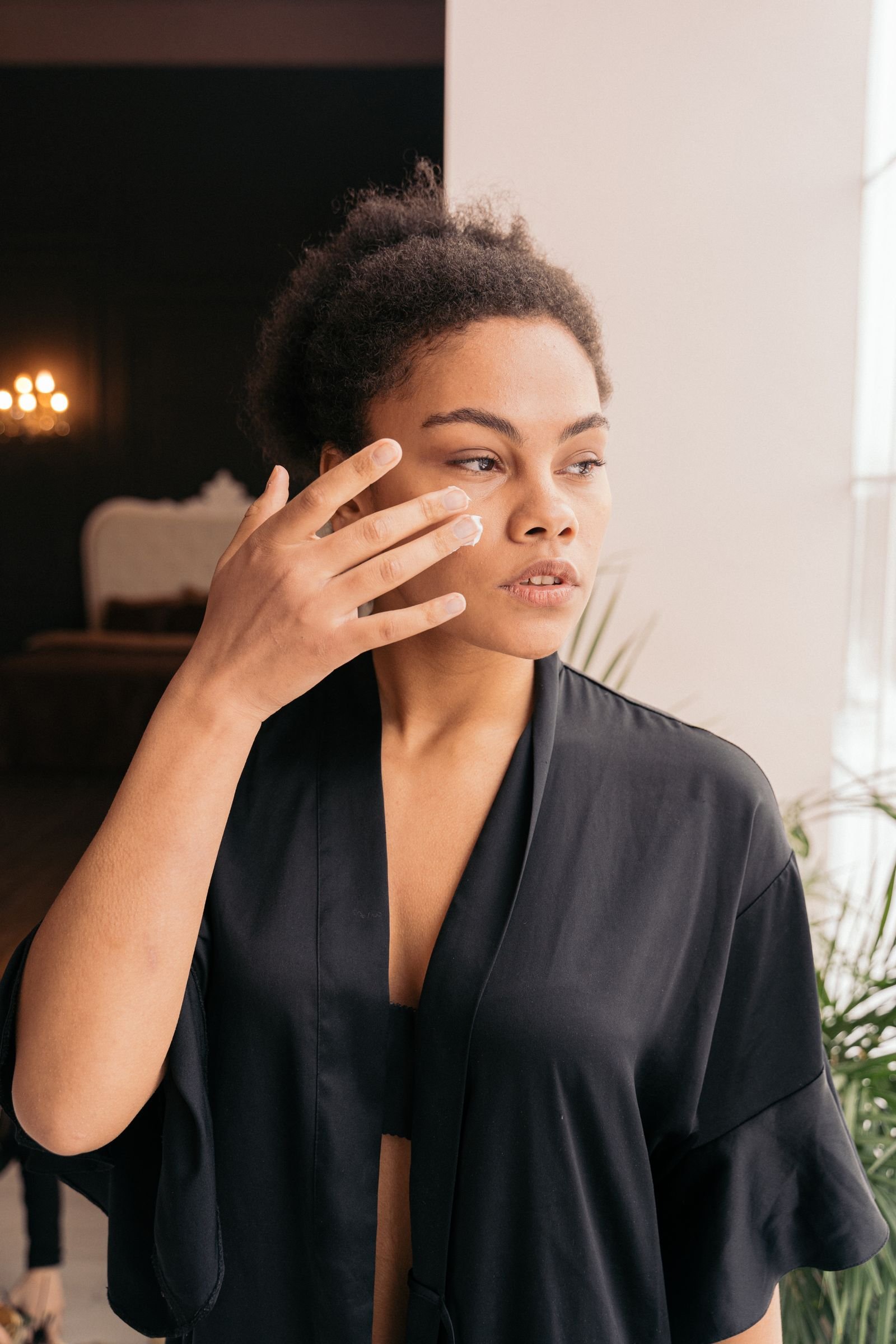
Your 30s are a turning point for your skin. The routine that worked in your early 20s may no longer be enough, yet you do not need a shelf of expensive products or a complicated ten-step ritual. The best skincare routine for 30s is simple and consistent: protect skin by day, help it recover at night. Here is how to build one.
How Your Skin Changes in Your 30s
In your 30s, your skin renews itself more slowly. Cell turnover gradually slows, which can leave skin looking duller, and oil production slows too, so skin that was oily in your 20s may feel drier. Fine lines often appear around the eyes and forehead, made more visible by sun, poor sleep and dehydration. Uneven tone, dark spots and a little less firmness can also show up, especially after years of unprotected sun.
Morning Routine: Protect Your Skin for the Day
Mornings are about protection, in about five minutes.
Step 1: Gentle Cleanser
Start with a gentle, low-foaming cleanser to wash away overnight oil and products. Avoid harsh cleansers that leave skin feeling tight or squeaky. Lukewarm water is best.
Step 2: Vitamin C Serum
Apply vitamin C serum to slightly damp skin. This antioxidant helps protect skin from sunlight and pollution, and it brightens dull skin and evens out skin tone. Use a few drops and pat them in gently.
Step 3: Moisturiser
Next comes moisturiser, which locks in hydration. A slightly richer cream often feels better in your 30s, while a light gel-cream still suits oily skin. See our guide to a morning skincare routine for the full breakdown.
Step 4: Sunscreen (SPF)
Sunscreen is the single most important step in any morning routine. Sun damage is a main cause of early fine lines, dark spots and uneven texture. Use a broad-spectrum sunscreen every morning, even on cloudy days, as your last step.
Evening Routine: Repair While You Sleep
At night your skin does its repair work, so the evening routine focuses on thorough cleansing and renewal, including retinol, which is best used at night.
Step 1: Double Cleanse
If you wear makeup or sunscreen, start with an oil-based cleanser or balm, then follow with your usual gentle cleanser. Without makeup, a single gentle cleanse is usually enough.
Step 2: Retinol
Retinol speeds up cell turnover and supports smoother-looking skin. If you are new to it, start slowly, two or three nights a week, with only a pea-sized amount for the whole face. Some dryness or mild flaking at first is common, so pair it with moisturiser and skip other strong actives on those nights.
Step 3: Night Cream
Finish with a nourishing night cream, which is usually richer than a day moisturiser and helps skin stay hydrated while you sleep. Look for soothing ingredients such as ceramides or squalane if your skin feels dry or sensitive. For the order of your evening steps, read our guide to the skincare routine PM order, or our full nighttime skincare routine.
Key Ingredients to Look For in Your 30s
A few well-chosen ingredients, used consistently, beat a crowded shelf of half-finished products.
Retinol: Helps cell turnover and the appearance of fine lines. Start slowly, at night.
Vitamin C: A brightening antioxidant that protects skin by day and supports a more even skin tone.
Hyaluronic acid: Draws moisture into the skin, leaving it plump and comfortable, and suits almost every skin type.
Peptides: Small building blocks that support the skin barrier and firmness. They are gentle and suit most people, including sensitive skin.
Niacinamide: A form of vitamin B3 that calms redness, supports the skin barrier and balances oil. It pairs well with most other ingredients.
The Best Skincare Routine for 30s by Skin Type
The steps stay the same, but the formulas should match your skin.
Dry Skin
Choose a creamy, non-foaming cleanser and a rich moisturiser, with a hyaluronic acid serum underneath. Avoid foaming cleansers and strong exfoliants.
Oily Skin
Use a gentle gel cleanser and a lightweight, oil-free moisturiser. Niacinamide can help balance oil, and you should still moisturise daily, because skipping it can make oily skin produce more oil. See our guide to the best skincare routine for oily skin for more detail.
Sensitive Skin
Keep your routine short and gentle. Introduce new products one at a time and favour fragrance-free formulas. Peptides and niacinamide are usually well tolerated, while retinol should be introduced very slowly, if at all.
Combination Skin
Combination skin is oily on the forehead, nose and chin, and drier on the cheeks. A gentle cleanser and a medium-weight moisturiser work well, with a lighter gel on oily areas and a richer cream on dry patches.
What to Avoid in Your 30s
Harsh scrubs and strong exfoliants used too often can damage the skin barrier and leave skin red and irritated, so one or two gentle sessions a week is plenty. Avoid using many strong active ingredients at once: retinol, vitamin C and exfoliating acids can each help, but layering them all on the same day often leads to irritation rather than faster results. Avoid heavy fragrance if your skin is sensitive, and never skip sunscreen, which undoes much of your other products’ good work.
Common Skincare Mistakes in Your 30s
The most common mistake is changing products too often. Skincare takes time to work, and switching every week makes it impossible to tell what is helping, so give a new product several weeks before judging it. Another is using too much product: a pea-sized amount of retinol or a few drops of serum is enough for the whole face, and more only increases the chance of irritation. Sleeping in makeup, skipping a post-workout cleanse, and neglecting your neck and chest are other habits worth fixing. Finally, the basics matter too: water, regular sleep and managing stress all show up in your skin.
How Long Does It Take to See Results?
Patience is part of skincare. Hydration improves quickly, and you may notice softer skin within a week or two. Brighter skin from vitamin C usually takes a few weeks of steady use, while retinol takes longer, often several weeks to a few months, as it works by gradually supporting cell turnover. Fine lines soften slowly, and the improvement is subtle at first. This is normal, and it is why consistency matters more than intensity. A monthly photo in natural light helps track progress, since day-to-day changes are hard to notice.
FAQs
What is the best skincare routine for 30s?
A simple one: gentle cleanser, vitamin C serum and sunscreen in the morning, and a double cleanse, retinol and night cream in the evening. Add a moisturiser for your skin type, introduce new products slowly, and stay consistent.
Should I use retinol in my 30s?
Retinol supports cell turnover and smoother-looking skin. Start slowly, two or three nights a week, with a pea-sized amount, and always pair it with moisturiser. Very sensitive skin may prefer gentler ingredients such as peptides or niacinamide.
Do I really need sunscreen every day?
Yes. Daily sunscreen is one of the most effective steps in your 30s routine. Sun exposure contributes to fine lines, dark spots and uneven skin tone, and much of that damage happens on ordinary days, not just at the beach. Use a broad-spectrum sunscreen every morning as the last step of your routine.
Can I use vitamin C and retinol together?
You can use both, but keep them apart. Use vitamin C in the morning, when its antioxidant protection is most useful, and retinol at night. Different times reduce the chance of irritation and let each ingredient do its job.
Conclusion
Your 30s are the perfect time to build a simple, steady routine that is kind to your skin. Cleanse gently, protect with vitamin C and sunscreen in the morning, and repair with retinol and a good night cream in the evening. Choose ingredients for your skin type, avoid overdoing it, and give your routine time to work. Glowing skin is not about one miracle product, but small daily habits, repeated over months, that keep skin hydrated, protected and healthy.
If you have a question about skincare, beauty or anything else on the site, feel free to get in touch with us.