A healthy lifestyle is not built in a single weekend. It is built from small habits, repeated every day, until they stop feeling like effort and start feeling like your normal life. You do not need a strict diet, an expensive gym membership or a perfect routine. You need a few habits that fit your real life — and the patience to let them work.
The eight habits below are simple on purpose. None of them takes more than a few minutes, and none of them asks you to change everything at once. Pick one or two to start with, keep them going for a few weeks, and then add another.
1. Drink Water Before Anything Else
Most people reach for their phone or a coffee first thing in the morning. Try reaching for a glass of water instead. After a night’s sleep, your body is mildly dehydrated, and a glass of water helps you wake up, supports digestion and sets a calm tone for the day.
Keep a bottle or glass by your bed or on your desk so drinking water is easy. Just keep water within reach and sip through the day, especially before meals, when it can help you notice when you are actually full.
2. Move Every Day, Even a Little
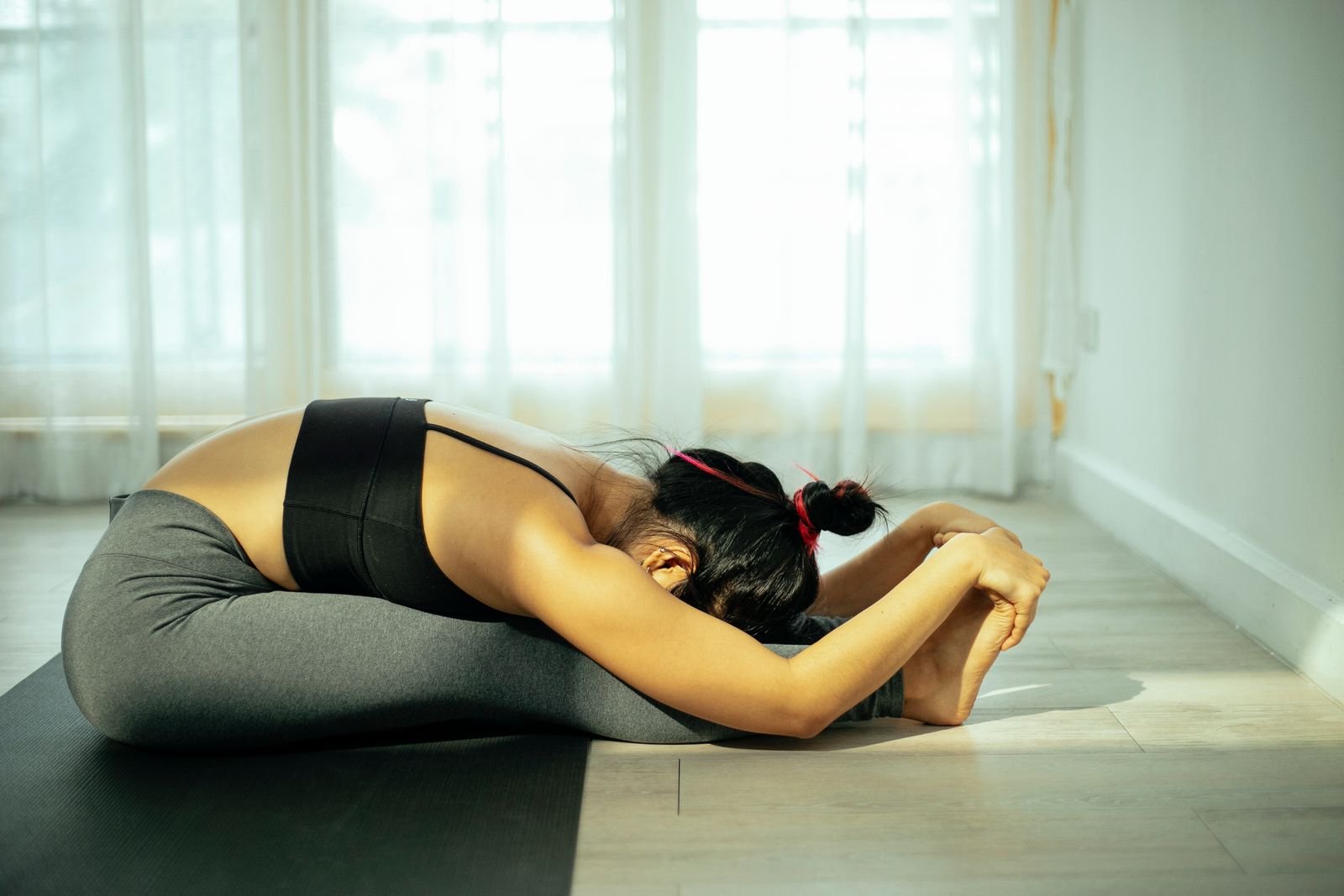
You do not need an hour at the gym to count as exercise. A twenty-minute walk, a short stretch in the morning, or taking the stairs instead of the lift all add up. The habit that matters is moving every day, not moving perfectly.
If you spend most of your day sitting, this habit matters even more. A sedentary routine — sitting for hours with little movement — is linked to low energy, stiff muscles and poorer health over time, as our article on what a sedentary lifestyle is explains. Set a reminder to stand up and move for a few minutes every hour. Walk while you take a phone call. Get off the bus one stop early. Small movements, done daily, are the habit that lasts.
3. Eat Real Food Most of the Time
Healthy eating does not mean giving up everything you enjoy. It means making real food — vegetables, fruit, whole grains, beans, nuts, fish, eggs — the main part of most meals, and keeping highly processed snacks and sugary drinks as the occasional treat rather than the daily default.
A simple way to do this is to build your plate around vegetables first, then add protein, then a whole grain. Cook at home a few times a week if you can, even if it is something simple like a stir-fry or a salad with grilled chicken. You do not need to count every calorie; you just need to notice what you are eating most days.
4. Sleep at a Regular Time
Sleep is the habit that makes all the other habits easier. When you sleep well, you have more energy to move, more patience to cook, and less craving for sugary snacks. When you do not, everything feels harder.
Aim for a regular bedtime and wake-up time, keep your bedroom dark, cool and quiet, and stop scrolling an hour before bed. If your mind races at night, a few minutes of slow breathing can help you let go of the day.
5. Take a Few Minutes to Slow Down
Stress is part of life, but constant rushing takes a toll on your mood, your sleep and your health. A few minutes of slowing down each day — a short walk without your phone, a few deep breaths, or simply sitting quietly with a cup of tea — can make a real difference.
Mindfulness does not have to mean meditation on a cushion. It can be as simple as paying full attention to one thing at a time, whether that is eating your lunch without a screen or noticing the trees on your walk. Our guide to what mindfulness is explains this in simple terms, with ways to start in just a few minutes a day.
6. Plan Your Meals, Even Roughly
People who plan their meals, even loosely, tend to eat better and waste less food. You do not need a detailed weekly menu. Just decide the night before what you will eat for lunch tomorrow, or keep a few healthy staples — oats, eggs, beans, frozen vegetables, wholegrain bread — always in the house.
When you are hungry and nothing is ready, the easiest option is usually the least healthy one. A little planning removes that problem, and saves money too.
7. Limit Screens After Dinner
Evenings are when most of us spend the longest time on screens, and it is also when screens do the most harm to our sleep. Try one screen-free evening habit: read a book, go for a short walk, talk to someone at home, or do a hobby that does not involve a display.
You do not have to give up screens entirely. Just give yourself an hour before bed without them, and notice how much easier it is to fall asleep. Your eyes, your neck and your sleep will all feel the difference.
8. Be Kind to Yourself When You Slip
No one keeps every habit perfectly, every day. You will miss a walk, eat too much at a party, or stay up too late. That is normal, and it does not undo your progress.
The habit that matters most is the one of starting again. If you miss a day, do not wait for Monday or next month — just do the next small thing. One healthy meal, one walk, one early night. Healthy living is not about being perfect; it is about returning to the habits that make you feel good, again and again.
How to Start Without Burning Out
The biggest mistake people make is trying to start all eight habits at once. That lasts about three days. Instead, pick the habit that feels easiest for you, and do only that for two weeks. When it feels automatic, add the next one.
Write your habits down somewhere you will see them, and track them simply — a tick on a calendar is enough. Seeing a row of ticks shows you are making progress even on days when it does not feel like it.
Frequently Asked Questions
How long does it take for a healthy habit to stick?
Most people find a simple habit starts to feel automatic after a few weeks of doing it regularly. The key is repetition, not speed — doing a small habit most days builds it faster than doing a big habit once a week.
What is the most important healthy lifestyle habit?
Sleep is often the best place to start, because it affects everything else: your energy, your appetite, your mood and your willpower. If you only change one thing, try keeping a regular bedtime for two weeks and see how the rest of your day feels.
Do I need to exercise every day to be healthy?
Daily movement helps, but it does not have to be intense exercise. A walk, some stretching or light housework all count as movement. Aim to move every day, and do something more active — a longer walk, a swim, a bike ride — a few times a week.
How can I eat healthily on a small budget?
Beans, lentils, oats, eggs, frozen vegetables and seasonal fruit are all affordable and nutritious. Cooking at home, even simple meals, is usually cheaper and healthier than buying ready meals or takeaways.
Conclusion
Healthy lifestyle habits are not about perfection or willpower. They are about small, repeatable choices: a glass of water in the morning, a walk after lunch, real food most of the time, a regular bedtime, and a few minutes to slow down. Pick one habit, keep it going, and add another when the first feels easy. Over weeks and months, those small habits add up to a life that feels healthier, calmer and more energetic — and you will not have had to turn your life upside down to get there. For more ideas, our healthy lifestyle tips cover the same approach in more detail.
Have a lifestyle question or a topic you would like us to cover? Get in touch through our contact page — we would love to hear from you.