
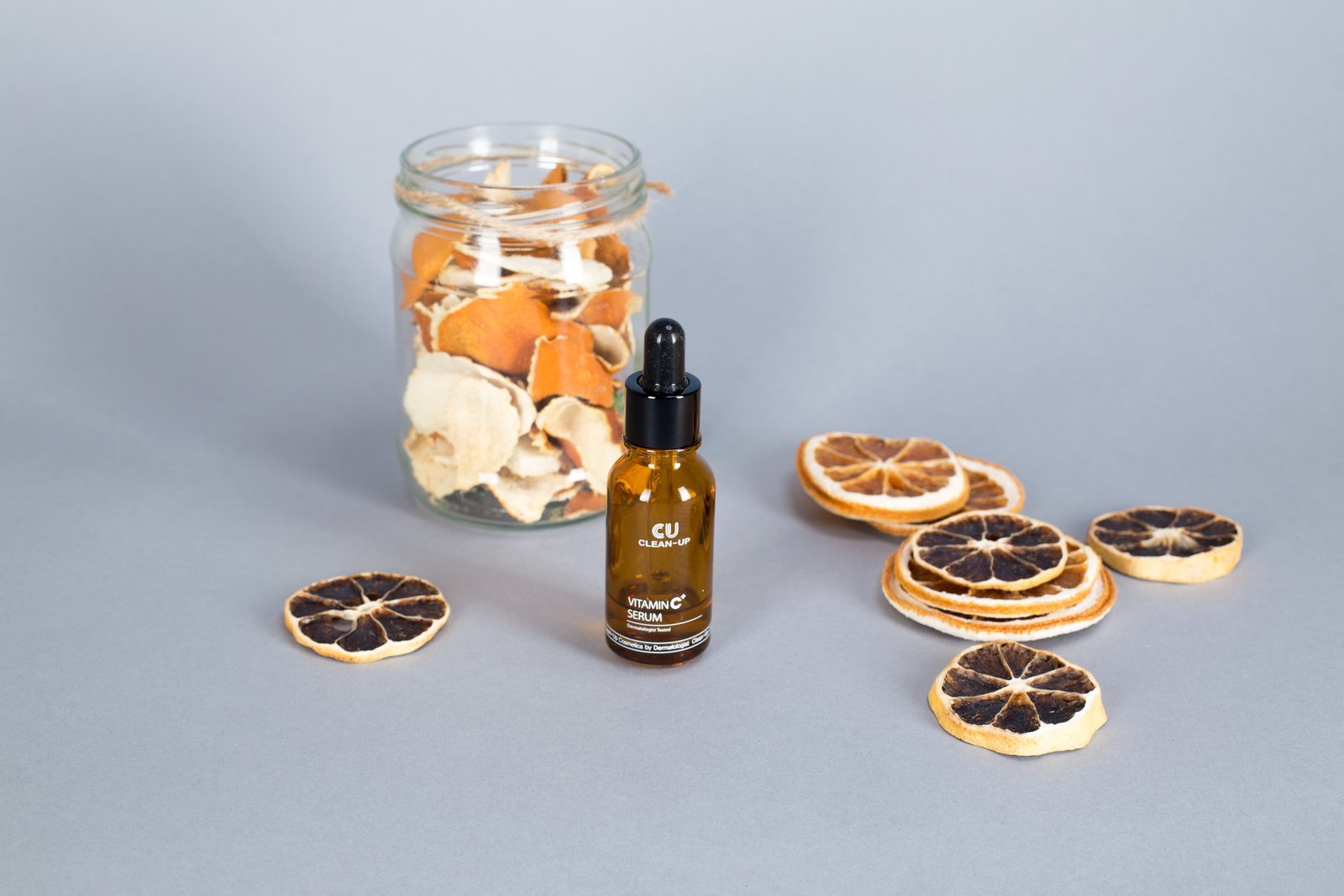
How Important Are Antioxidants in a Hyperpigmentation Skincare Routine?
Dark spots linger long after the pimple or sunburn that caused them has gone. Hyperpigmentation is one of the most common skin concerns, and one of the slowest to improve — which is why so many people turn to antioxidants: the vitamin C serums, green tea toners and niacinamide creams that fill beauty shelves. They help defend the skin against everyday stress and support a brighter, more even-looking complexion. But how important are they, really? This guide explains what they do, which ones matter most, and how to use them with sunscreen.
What Hyperpigmentation Actually Is
Hyperpigmentation is the name for areas of skin that look darker than the skin around them — the result of melanin, the pigment that gives skin its colour, being produced in larger amounts in one spot. Sunspots tend to appear where the sun hits most. Post-inflammatory marks follow spots, cuts or irritation. Melasma appears as larger patches and can be influenced by hormones as well as sun exposure.
In each case, the pigment-producing cells, called melanocytes, become more active in one area. A good routine therefore needs to calm the triggers that keep melanin production switched on, and support the skin while darker surface cells gradually shed.
What Antioxidants Do in a Skincare Routine
Antioxidants help neutralise free radicals — unstable molecules produced by sunlight and pollution — and so support the skin’s defences.
For hyperpigmentation, their value is indirect but real: many also support a brighter-looking complexion and calm the look of redness. They rarely work alone, though — a serum used without sun protection is unlikely to make much visible difference, because sun exposure keeps triggering new pigment.
The Antioxidants That Matter Most for Uneven Skin Tone
Vitamin C
Vitamin C is the best-known brightening antioxidant, widely used in serums for dullness and uneven tone. If you are new to it, start a few times a week before moving to daily use. Store it away from heat and light, and replace it if it turns dark orange or brown.
Vitamin E
Vitamin E is a rich, nourishing antioxidant often found in moisturisers and facial oils, and it supports the skin barrier while pairing well with vitamin C. On its own, vitamin E is not usually the main brightening ingredient, but it helps create the healthy skin environment other steps need.
Niacinamide
Niacinamide, a form of vitamin B3, is one of the most forgiving ingredients you can use. It supports the skin barrier, calms the look of redness, and helps skin look more even over time. It suits most skin types and comes in serums, moisturisers and toners. For another gentle brightening ingredient, see our guide on how important peptides are in a hyperpigmentation skincare routine.
Green Tea and Other Plant Antioxidants
Green tea extract is valued for its soothing qualities and suits skin that feels reactive or easily flushed. Other plant-derived antioxidants, such as liquorice root extract and ferulic acid, appear in brightening formulas too. None works wonders on its own, but together they support the skin from several directions.
How Important Are Antioxidants, Really?
Here is the honest answer: antioxidants are important, but they are not the whole answer. Hyperpigmentation responds best to a combination of steps — sun protection, gentle exfoliation and time.
Where antioxidants earn their place is in the supporting role they play every day: they help defend skin against the environmental stress that keeps pigment production active, and some, like vitamin C and niacinamide, also support a brighter-looking complexion directly. But keep expectations realistic: no skincare product can fade dark spots overnight. What a good antioxidant can do is support gradual, visible improvement in how even your skin looks, as part of a routine you actually stick to.
How Antioxidants Fit With Sunscreen
If there is one pairing to remember, it is antioxidants and sunscreen. Sunscreen is the single most important step in any hyperpigmentation routine, because ultraviolet light is one of the strongest triggers for melanin production — without it, dark spots can darken again.
Antioxidants complement sunscreen rather than replacing it. A vitamin C serum followed by a broad-spectrum sunscreen is a classic morning combination — apply sunscreen every morning as the last step of your routine and reapply outdoors. This one habit does more for hyperpigmentation than almost any serum can.
How to Layer Antioxidants With Other Brightening Steps
Once antioxidants and sunscreen are in place, other brightening steps can be added carefully: gentle exfoliants help shed pigmented surface cells, retinoids used at night support skin renewal, and peptides — covered in our earlier article — are another gentle option.
Introduce new steps one at a time, giving each a couple of weeks before adding another. Layering too many active ingredients at once can leave skin irritated, and irritated skin can produce more pigment. A simple order: cleanse, apply a water-based antioxidant serum, follow with moisturiser, and finish with sunscreen in the morning. If your skin is oily, keep layers light — see our best skincare routine for oily skin guide.
A Simple Routine That Includes Antioxidants
You do not need a ten-step routine. In the morning, use a gentle cleanser, an antioxidant serum, a light moisturiser and a broad-spectrum sunscreen. In the evening, cleanse again, apply a niacinamide serum or green tea toner, and finish with moisturiser, plus a retinoid when your skin tolerates it. Once a week, add one gentle exfoliating step.
The exact products matter less than the pattern: protect in the morning, support and renew at night, and repeat daily. Give any new routine eight to twelve weeks.
Common Mistakes to Avoid
A few habits can quietly undo the good work of a brightening routine. Skipping sunscreen is the biggest one. Starting a strong vitamin C serum every day before your skin has adjusted is another — irritation is not a sign it is working. Mixing several strong actives at once often leads to redness and flaking rather than faster results.
Another mistake is giving up too soon. Because skin renews itself slowly, it is easy to decide after two weeks that nothing is happening — but constantly changing products makes it impossible to know what helped. Pick a simple routine and change one thing at a time. Simple habits matter more than expensive products, a point that comes through in our collection of timeless beauty secrets.
FAQs
Can I use vitamin C every day if I have hyperpigmentation?
Many people use vitamin C daily, often in the morning. If your skin is sensitive, start with a lower strength a few times a week and build up gradually. If irritation does not settle, use it less often.
Is niacinamide or vitamin C better for dark spots?
There is no single winner — they work in different ways and are often used together. Vitamin C is the more classic brightening antioxidant, while niacinamide is gentler and also supports the skin barrier. For sensitive skin, niacinamide is the easier place to start.
Do antioxidants replace sunscreen?
No. Antioxidants support the skin’s defences, but they do not block ultraviolet light the way sunscreen does. Sunscreen remains the most important step, and antioxidants work best alongside it, not instead of it.
How long does it take to see a difference in uneven skin tone?
Skin renews itself over a cycle of several weeks, so visible change is gradual. Many people notice brighter, more even-looking skin after several weeks, with more change over two to three months.
Conclusion
Antioxidants are an important part of a hyperpigmentation skincare routine — not because any single one works wonders alone, but because they support the skin in exactly the ways uneven tone needs. Vitamin C, vitamin E, niacinamide and green tea each bring something different — brightness, barrier support and calm. Used with sunscreen and a few well-chosen brightening steps, they help dark spots gradually fade.
The real secret is not a particular product, but a routine you can keep up: protect your skin from the sun every morning, add one or two antioxidant steps that suit your skin, and give it time to work.
For more beauty guides and skincare tips, or to get in touch with our team, visit our contact page.