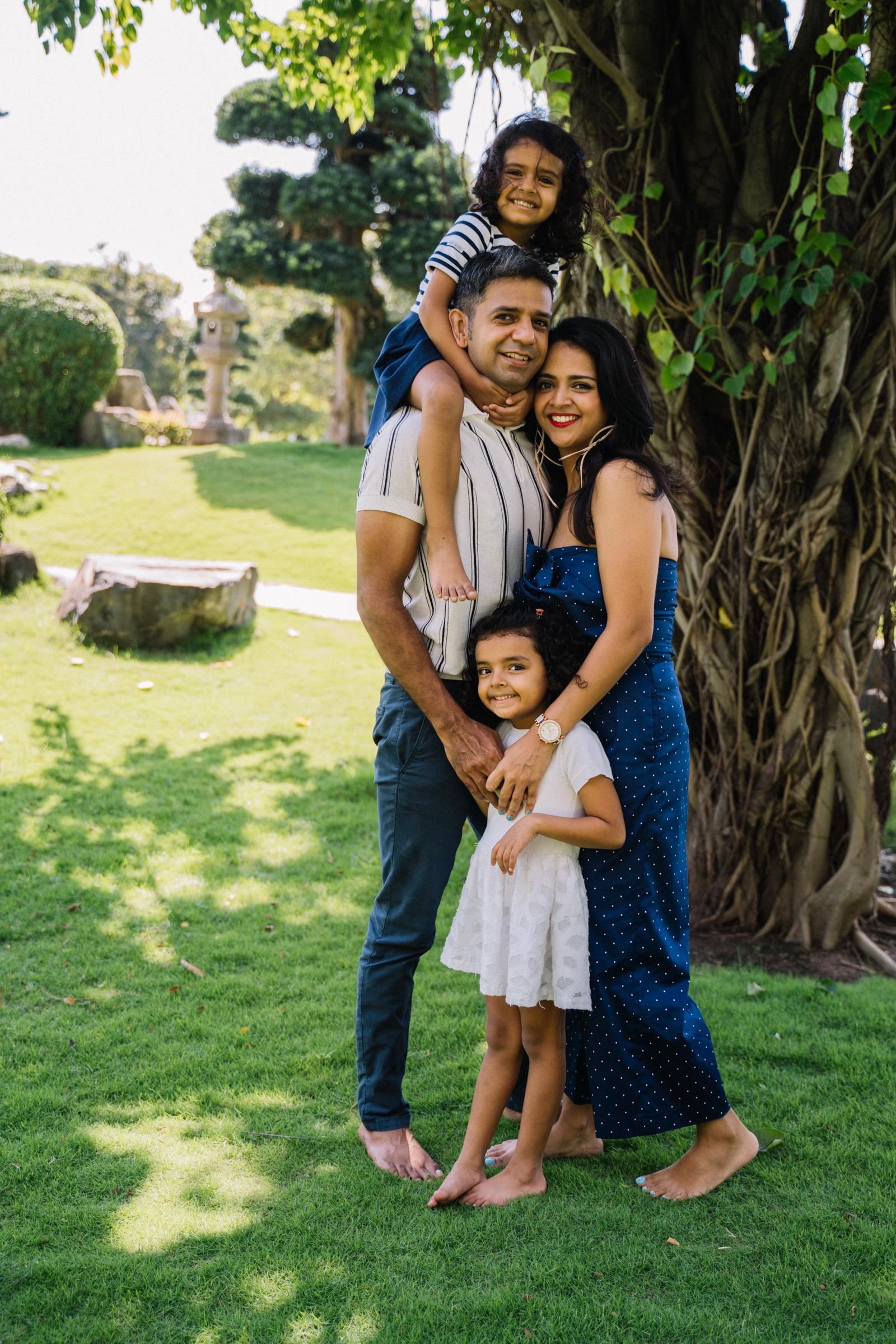
Some of the best photographs are not the ones where everyone stands still and smiles at the camera. They are the ones that catch life as it actually happens: a child laughing so hard they can barely stand, a grandmother stirring a pot in her own kitchen, friends talking on a park bench as the evening light turns gold. That is the heart of lifestyle photography — real moments, captured beautifully. You can start with the phone already in your pocket.
What Is Lifestyle Photography?
Lifestyle photography sits between a portrait and a documentary photo. A traditional portrait is posed: the photographer arranges people, adjusts the light, and asks everyone to look at the lens. Documentary photography observes without interfering at all. Lifestyle photography borrows from both. The photographer sets up a loose situation — a family cooking breakfast together, a couple walking their dog — and then lets real life take over.
The result looks natural but still feels considered. The people look like themselves, and the moment is genuine. This style suits almost any part of daily life, and ordinary days often make the best photos, because they are the most true.
Use Natural Light Whenever You Can
Light is the most important ingredient in any photograph, and natural light is almost always the best choice for lifestyle work. It is soft, flattering, and free. Harsh flash flattens a warm room; window light makes it feel calm and inviting.
The best natural light usually comes early in the morning or late in the afternoon, when the sun sits low and the light turns warm and soft. Light through a large window is one of the most forgiving lights there is: place your subject near the window, slightly to one side, and turn off the overhead lights. On bright days, look for open shade under a tree or porch. Cloudy days help too — clouds spread the light evenly, like a giant softbox in the sky.
Catch Candid Moments, Not Poses
The hardest part of lifestyle photography is also the most rewarding: catching a moment that is real. People who know they are being photographed tend to freeze or put on the smile they think the camera wants. Help them forget the camera by giving them something to do. Ask a family to make pancakes together or walk to the park, instead of asking them to stand and smile. When hands are busy, expressions become natural.
Talk while you shoot. People relax when they feel they are spending time with you, not performing for you. If you are photographing children, get down to their level so your camera is at their eye height. Take a lot of photos, because real moments are quick. Be patient — the best shots often come later.
Composition: How to Arrange a Photo That Feels Natural
Composition is simply how the things in your photo are arranged, and one guideline helps more than any other: the rule of thirds. Imagine your frame split into nine equal sections. Placing your subject on one of those lines, or where the lines cross, usually looks more interesting than putting them dead centre.
Leave room in the frame for the story. Pay attention to what is behind your subject, too: a busy background can pull attention away from the person you are photographing, so step aside or change your angle to hide it. Finally, vary your shots — a wide shot of the whole scene, then a close detail like hands holding a mug. That mix tells a fuller story than twenty versions of the same shot.
What Gear Do You Need?
Far less than you might think. Lifestyle photography is about the moment, not the equipment, and some of the most loved lifestyle photos are taken on phones. A modern phone camera is genuinely good enough to start: it is always with you, and small enough that people forget about it. Use portrait mode sparingly — sometimes the background is part of the story.
If you use a dedicated camera, a simple setup works best. A 35mm or 50mm lens is a popular choice. Beyond the camera, keep your kit light: a spare battery and a spare memory card are more useful than a bag of gadgets. Keep your lens clean, too — a quick wipe can save a shot.
Edit Lightly: Less Is More
Editing is where good photos become great — or where they get ruined. The goal is to make a photo look like the moment felt, not like a different moment altogether. Start with the basics: straighten the horizon, crop out distractions at the edges, and adjust the exposure if the photo is too dark or too bright. A little warmth and a lift of the shadows can help, too.
Resist the urge to push every slider to its limit. Heavy filters, oversaturated colours, and skin smoothed beyond recognition all work against the honesty that makes lifestyle photography special. If someone looks at your edited photo and thinks “that looks edited,” you have gone too far. Keep a similar feel across a whole set, too. Consistency is also how creators develop a recognisable style, something beauty and fashion creators work on when building an editorial presence that lasts.
Tips for Family and Everyday Shoots
Family shoots are where lifestyle photography shines, and they go best when you do not try to control everything. Keep it short, especially with children: an hour is plenty, and for very young children, thirty to forty minutes may be the sweet spot. Plan one simple activity — a walk, a picnic, or baking together. Choose a place that means something, like the family’s own home or favourite park. Familiar places help people relax.
Let everyone be themselves. If a child wants to wear their favourite muddy boots, let them. Years from now, the photos you treasure most will show who people really were. Notice small details, too — morning tea, a dog asleep in a patch of sun. A healthy lifestyle is built from exactly these small daily habits, and the same goes for hobbies and passions, whether that is a family kickabout in the park or a deeper dive into something like the baseball lifestyle. Finally, print your favourites.
Frequently Asked Questions
What is the difference between lifestyle photography and portrait photography?
Portrait photography is usually posed, with the photographer arranging everything. Lifestyle photography is looser: the photographer sets up an activity, then captures what happens naturally. The result looks less formal and more like real life.
Can I do lifestyle photography with just a phone camera?
Yes. Modern phone cameras are more than capable, especially in good natural light. Keep your lens clean, tap to focus on your subject, use the grid to compose your shot, and shoot in the highest quality your phone allows. The moment matters far more than the camera.
What is the best time of day for lifestyle photography?
Early morning and late afternoon are usually best, because the light is warm and soft. Overcast days are also excellent. Avoid harsh midday sun where possible, or move into open shade if you cannot.
How do I get children to cooperate during a lifestyle shoot?
Do not ask them to cooperate — give them something fun to do instead. Play a game, go for a walk, or bake something. Keep the shoot short, get down to their eye level, and take plenty of photos.
Conclusion
Lifestyle photography is not about perfection. It is about paying attention — to light, to people, to the small moments that make up a day — and being ready when something real happens. You do not need expensive gear or a studio. All you need is natural light, patience, and a willingness to let people be themselves.
Start where you are, with the camera you already have. Photograph your own mornings, your family, your friends, and the places you love. Shoot plenty, edit lightly, and keep the ones that feel true. The best lifestyle photos are simply life, captured beautifully, exactly as it happened.
If you would like to share your own lifestyle photography, ask about a feature, or suggest a topic for us to cover next, please contact 88 Magazine — we would love to hear from you.