If you have ever stared at a dark spot that refuses to fade, you know how frustrating hyperpigmentation can be. You try a new serum, wait a few weeks, and the spot is still there. So it is no surprise that peptides keep coming up in skincare conversations. But how important are peptides in a hyperpigmentation skincare routine, really? The honest answer sits in the middle: peptides can be genuinely useful, but they are supporters, not solo heroes.
What Is Hyperpigmentation?
Hyperpigmentation means areas of skin that become darker than the skin around them, when the skin makes extra melanin, the pigment that gives skin its colour.
Sun exposure is one of the biggest causes, because ultraviolet light encourages the skin to produce more melanin as protection. Marks left behind after spots or blemishes are another familiar cause, and they often linger long after the blemish has gone. Hormonal changes, irritation, and injury to the skin can also play a role, and dark spots often appear gradually with age. It is very common and usually a cosmetic concern, and it develops and fades slowly.
What Are Peptides?
Peptides are short chains of amino acids, the building blocks of proteins. In skincare, they are often described as messengers that signal skin to support the proteins keeping it firm and smooth.
You will find peptides in serums, moisturisers, and eye creams, usually listed with names ending in “peptide”. Different peptides are said to do different things, and brands often combine several in one formula.
Peptides are not a single ingredient, though. They are a family of ingredients, and the research behind each type varies, so results differ from product to product. A well-formulated peptide serum used consistently is very different from a cream that lists a peptide near the end of its ingredient list.
How Do Peptides Help With Hyperpigmentation?
Peptides do not bleach the skin, and they do not directly remove dark spots. Instead, they are thought to help in gentler, indirect ways while other ingredients do the heavier lifting.
Some peptides are associated with supporting the skin’s natural renewal and repair, so healthy skin tends to look brighter and more even, and may recover better from irritation that can leave marks behind. Peptides often sit in formulas alongside hydrating ingredients too, and well-hydrated skin looks smoother and less dull, which can make uneven tone less noticeable.
Think of peptides as team players that help skin look its best.
So, How Important Are Peptides Really?
Here is the straightforward answer: peptides are helpful, but they are not essential, and they are not the most important part of a hyperpigmentation routine. If you already use one and enjoy it, keep going; if you do not, you are not missing the one ingredient that changes everything.
The most important steps protect skin and address pigmentation directly. Sunscreen sits at the top, because without it, sun exposure keeps encouraging new pigmentation, and existing spots can darken again. After that come the well-known brightening ingredients, used gently and consistently. Peptides sit a step behind those: they add support, but a routine without them can still work well.
How to Fit Peptides Into Your Routine
Keep it simple. There is no need to rebuild your routine around peptides.
Where They Go in the Order
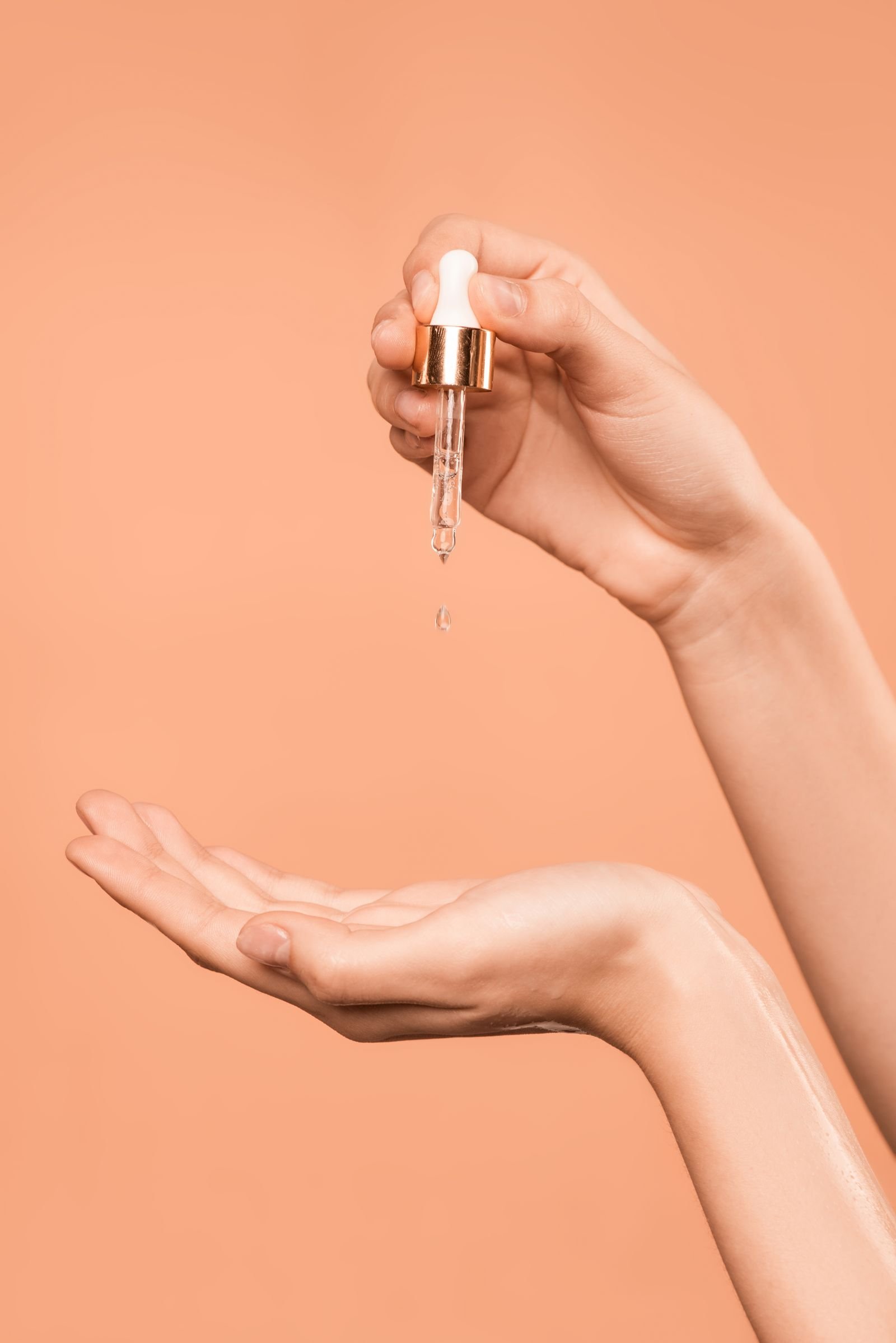
Apply a peptide serum after cleansing, before moisturiser: in the morning, follow with moisturiser then sunscreen; in the evening, follow with moisturiser. A few drops is enough — pat it on gently.
Morning or Evening?
Peptides can be used morning and evening. If you use them once a day, the evening is a good choice, because skin is resting and repairing — but choose the time you will stick with.
What to Pair Them With
Peptides generally get along well with other ingredients. They sit comfortably alongside hydrating ingredients such as hyaluronic acid and glycerin, and they are often used with vitamin C in the morning or a gentle brightening product at night. If you use a stronger active, such as a retinoid or an exfoliating acid, introduce one new product at a time, so you can tell what agrees with your skin. A simple routine used every day beats a complicated one abandoned after a week, and that steady approach is one of the timeless beauty secrets that never goes out of style.
What Else Helps With Hyperpigmentation?
Peptides work best as part of a broader routine, and the other pieces carry most of the weight.
Sunscreen, every day. This is the single most important habit: use a broad-spectrum sunscreen daily, even on cloudy days, and reapply outside. Without it, other brightening efforts fight an uphill battle.
Vitamin C. Vitamin C is one of the most popular brightening ingredients, often used in the morning under sunscreen. In general terms, it is known for helping skin look brighter and more radiant. Start slowly and watch how your skin responds.
Gentle exfoliation. Gentle exfoliation a couple of times a week can help skin look fresher and more even by removing dull surface cells. Overdoing it can irritate skin and make pigmentation worse, so keep it light.
Niacinamide and other brightening ingredients. Niacinamide is another gentle, well-liked ingredient often used for uneven tone, and it tends to suit most skin types. If your pigmentation is stubborn, a dermatologist can talk through stronger options.
Realistic Expectations
Peptides are unlikely to remove a dark spot on their own, and they will not work in a week. If you notice a difference, it is more likely to be gradual: skin looking a little smoother, a little more hydrated, and a little more even over several weeks of steady use.
Spots left by a recent blemish often fade faster than spots that have been there for years, and deep pigmentation can take months to soften. Skincare is a long game.
Common Mistakes to Avoid
Skipping sunscreen. Using a peptide or brightening serum while skipping sunscreen is like mopping the floor while the tap is still running. Protect first, then treat.
Using too many actives at once. Layering every brightening ingredient you own often leads to irritation, and irritated skin can develop more pigmentation. Introduce products one at a time.
Expecting overnight results. Dark spots took time to form, and they take time to fade, so changing products every week is one of the fastest ways to see no progress. Rubbing or picking at spots. Picking at blemishes or scrubbing dark spots can make them darker and slower to fade.
Forgetting makeup is a complement, not a cure. A good concealer or an even base can make uneven tone far less noticeable while skincare does its slow work underneath. That is part of why the confidence-first message of Rare Beauty resonates, and why trends from Huda Beauty are worth watching.
Frequently Asked Questions
Are peptides good for hyperpigmentation?
Peptides can help by supporting skin health, hydration, and smoother-looking texture. They are not a direct treatment for dark spots, so they work best alongside sunscreen and brightening ingredients.
Can I use peptides with vitamin C?
In general, yes — often vitamin C in the morning and peptides morning or evening. Introduce one product at a time, and reassess if your skin becomes irritated.
How long do peptides take to work?
Any visible change is usually gradual, over several weeks. Give a routine at least a couple of months before judging it, and keep using sunscreen throughout.
Do I need peptides if I already use sunscreen and vitamin C?
No. Sunscreen and a brightening ingredient form the core of a routine for uneven tone. Peptides are an optional extra, but a good routine can work without them.
Conclusion
So, how important are peptides in a hyperpigmentation skincare routine? Important enough to be worth considering, but not so important that your routine fails without them. The real foundations remain the same: daily sunscreen, a brightening ingredient that suits your skin, gentle care, and patience. Choose one well-formulated product, use it consistently, and judge it over weeks, not days.
If you would like to share your own skincare experiences or suggest a beauty topic, we would love to hear from you — please contact 88 Magazine.