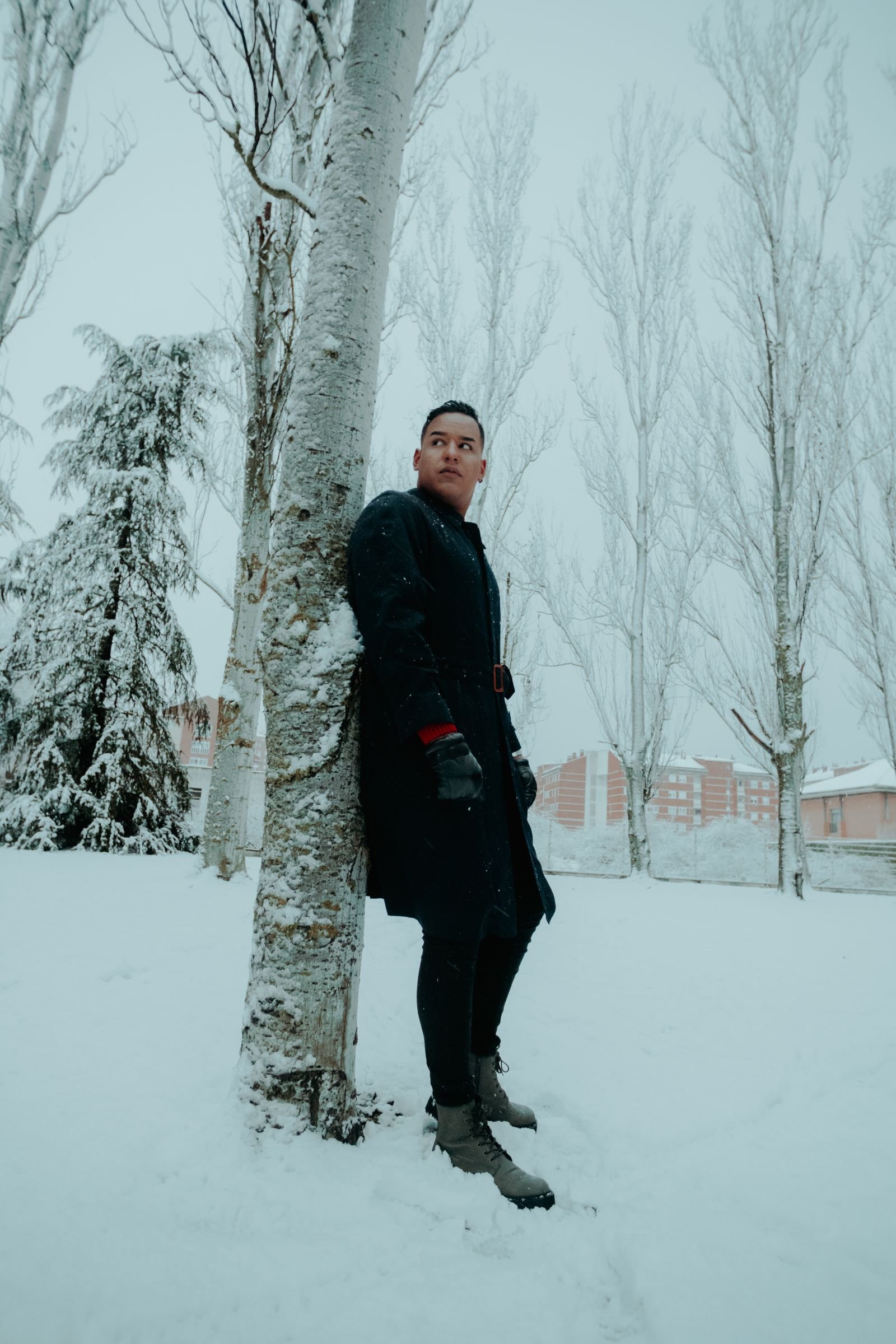
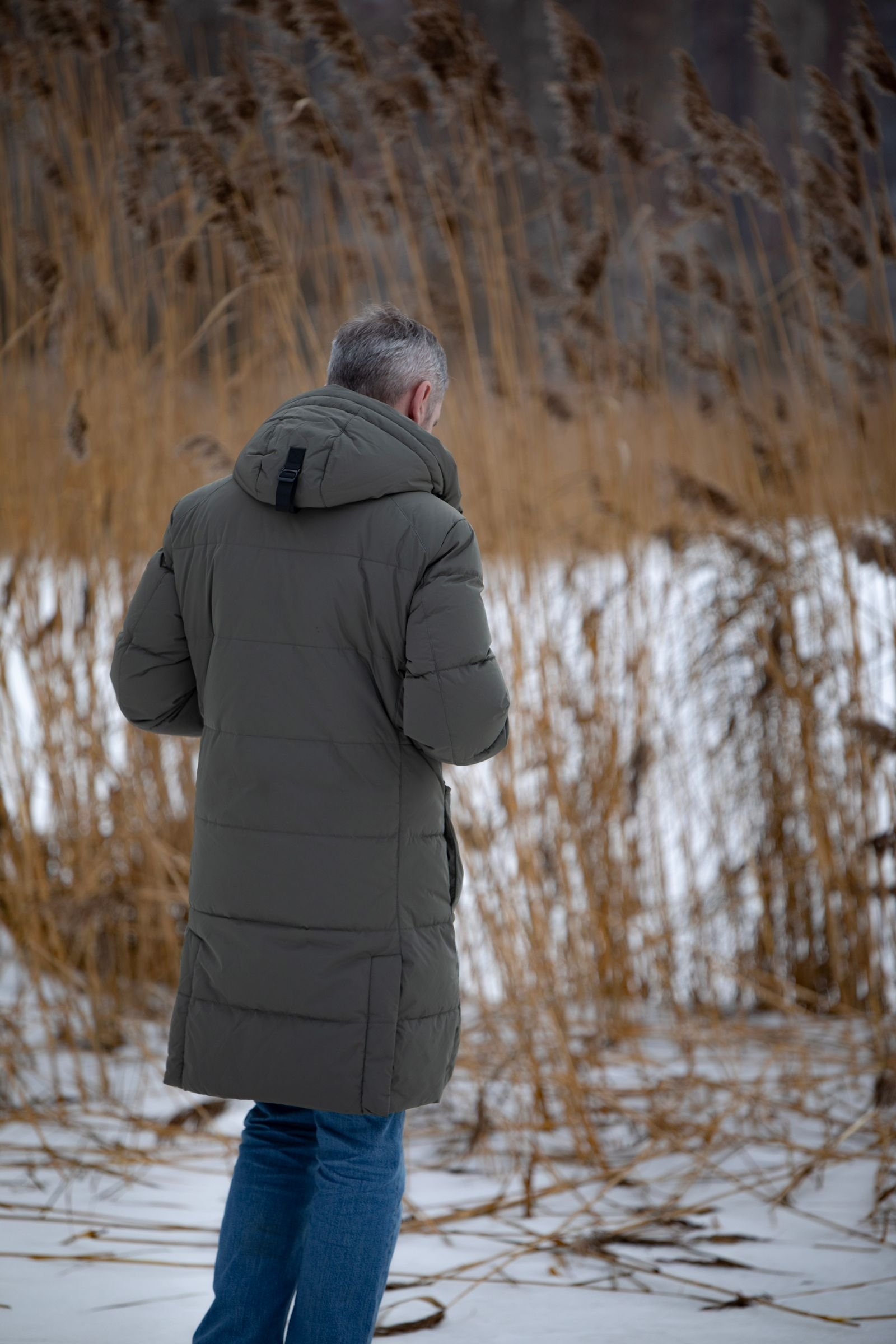
When the temperature drops, getting dressed becomes a practical challenge: how do you stay warm without feeling bulky? Men’s fashion winter wear is about the right pieces, the right fabrics and simple layering. A good coat, a few warm sweaters, reliable boots and thermal layers will cover most cold days.
Why Men’s Winter Wear Matters
Winter clothing is not just about style — it is about comfort. When you are cold, you feel tired and distracted, and you are more likely to catch a chill after time outdoors. Good winter wear keeps you warm, dry and comfortable — and it can also look good: a wool coat, a chunky knit sweater and leather boots form an outfit that is both warm and smart.
The Essential Pieces of Men’s Winter Wear
A useful winter wardrobe is built around a few core pieces, which you can mix and match into plenty of outfits for work, weekends and evenings out.
Winter Coats and Jackets
Your coat is the most important item in your winter wardrobe — your first defence against cold and rain. For very cold days, a long wool coat or a padded parka is hard to beat. Wool coats look smart and suit work and formal occasions, while parkas are warmer and better for snow and heavy rain. Whatever style you choose, make sure the coat covers your hips, fits over a sweater, and has a collar or hood for wind.
Sweaters and Knitwear
A warm sweater is the workhorse of men’s winter wear. A plain crew-neck sweater is one of the most versatile items you can own — wear it over a shirt for work, or on its own with jeans at the weekend. A chunky knit adds extra warmth on the coldest days, while a button-up cardigan is easy to take on and off indoors. Choose neutral colours such as navy, grey and charcoal, which go with almost everything you already own.
Thermal Layers and Base Layers
Thermal layers are the secret to staying warm without wearing huge, heavy clothes. A thermal vest or long-sleeved top under your shirt adds a surprising amount of warmth without changing how your outer layers look. Thermal leggings work the same way for your legs. Look for merino wool or a wool blend, which stays warm even when damp and does not feel scratchy against the skin.
Winter Trousers and Jeans
In winter, heavy fabrics make a real difference: thick jeans, corduroy and wool-blend trousers all hold heat better than thin summer fabrics. Corduroy is a classic winter choice — warm, hard-wearing and smart with a sweater and boots. Dark colours hide marks from wet weather, and a straight or slim fit keeps cold air out better than a loose cut.
Winter Boots and Footwear
Leather boots are the best all-round choice: warm, waterproof when treated, and smart with jeans, chinos and trousers alike. Chelsea boots suit smarter outfits; lace-up boots with a sturdy sole are better for wet, icy pavements. Choose a grippy sole — smooth soles slip easily on ice and wet leaves. Wear thick wool socks, and leave a little room in the boot so your toes are not squeezed.
Hats, Scarves and Gloves
Accessories are small, but they make a big difference. A lot of body heat escapes from your head, neck and hands, so covering them keeps you warmer. A knitted beanie suits most casual outfits, while a woollen flat cap works better with a smart coat. A scarf closes the gap between your coat collar and sweater, stopping cold air from getting in. Leather gloves with a warm lining look smart; knitted gloves are fine for casual days.
Fabrics That Keep You Warm
Fabric matters more than brand or price. Wool is the classic winter fabric: it insulates well, breathes, and keeps you warm even when damp. Merino wool is softer and finer, making it comfortable against the skin. Cashmere is even softer and warmer, but more delicate.
Fleece is light, warm and quick to dry — a good choice for mid-layers. Down, the soft feathers in puffer jackets, is one of the warmest insulators available — but it loses its warmth when wet, so down jackets suit dry cold or a waterproof outer layer. Cotton alone is a poor winter fabric because it absorbs moisture and dries slowly, but cotton blended with wool or fleece works well. Check the label: a sweater that is mostly wool keeps you far warmer than one that is mostly acrylic.
How to Layer Properly
Layering is the foundation of men’s winter wear: three layers, each with a job. The base layer sits next to your skin and keeps moisture away. The middle layer provides warmth — your sweater or fleece. The outer layer, your coat, protects you from wind and rain.
Start with a thermal top, add a sweater, and finish with a coat that fits comfortably over both. Each layer should be slightly looser than the one underneath, so you can still move your arms freely. Three well-chosen layers keep you warmer than five bulky ones. When you go indoors, take off your outer layer so you do not overheat.
Choosing the Right Fit
Fit matters even more in winter. Each layer should fit well on its own, and your coat should close comfortably over a sweater without pulling. When you try on a coat, wear the sweater you plan to wear underneath it. The shoulders should sit at your own shoulder line, the sleeves should reach your wrists, and you should be able to button or zip it without straining. A coat that is too tight will feel cold, because it compresses the insulating air between your layers. Sweaters should sit close to the body without being tight.
Caring for Your Winter Clothes
Winter clothes cost more than summer clothes, so it pays to look after them. Wool sweaters should be washed gently in cold water or dry-cleaned, and folded rather than hung, because hanging stretches them out of shape. Leather boots need regular care: clean off salt and mud, let them dry naturally away from radiators, and polish them every few weeks. Down jackets should be washed rarely with a special detergent and dried thoroughly — a damp down jacket will not keep you warm. At the end of winter, clean everything before you store it away — dirty clothes attract moths and stain over the summer.
Frequently Asked Questions
What are the most essential pieces of men’s winter wear?
A warm coat, two or three sweaters, a set of thermal layers, a pair of winter boots, and a hat, scarf and gloves. With these you can build outfits for cold days, wet days and smart occasions.
Which fabric is warmest for men’s winter clothing?
Wool is the warmest practical fabric for everyday winter wear, and merino wool is the most comfortable choice for layers worn next to the skin. Down is warmer still for jackets, but it loses its warmth when wet, so it suits dry cold or a waterproof outer layer.
How many layers should a man wear in winter?
Three layers are usually enough: a base layer to manage moisture, a middle layer such as a sweater for warmth, and an outer layer such as a coat to block wind and rain. Three good layers keep you warmer than five bulky ones.
How should men’s winter clothes fit?
Each layer should fit well on its own, with your coat roomy enough to close over a sweater without pulling. Try on a coat while wearing the sweater you will wear underneath it, and boots while wearing your thickest winter socks.
Conclusion
Men’s fashion winter wear comes down to a few practical choices: a good coat, warm sweaters, thermal layers, sturdy boots and the right accessories, all in fabrics that actually keep you warm. Layer them properly, get the fit right, and look after them so they last. You do not need to buy everything at once — start with the pieces you are missing, usually a proper coat and thermal layers, and build from there.
For more men’s fashion guides and winter style ideas, or if you have a question about this article, please contact us.